
Contents
- Place activities at the correct scale
- Look at centre-country relationships
- Consider livestock without making it a performance
- Read agricultural landscape without supplying missing facts
- Purchase with product, origin and price understood
- Define accompaniment before committing
- Preserve accurate memories of encounters
This article is part of our complete Aguelmous travel guide.
The Aguelmous account associates agriculture, livestock and services with local life. These activities offer a way to approach a Middle Atlas town beyond a monument list. They encourage looking at relationships between centre, countryside, purchases and movement while separating economic context from an experience organised for visitors.
This article does not present an open-farm circuit. It offers questions for observation from usable space or through encounters with consent. Visible land, a workshop or an activity remains a workplace.
Interest does not automatically create a visitor entrance, availability at any hour or an obligation for the people involved to provide explanations. A focused exchange can be valuable without becoming a repeatable service promised to everyone who reads about it.
Place activities at the correct scale
Aguelmous belongs to Khenifra province within Beni Mellal-Khenifra. Regional information does not describe every street, and an activity mentioned for the surroundings is not necessarily central. Identify a place and subject first. Do you want to understand a sold product, observe plot arrangements or meet someone who agreed to receive you?
These need different preparation. Clarifying prevents three broad economic sectors becoming a list of experiences supposedly available everywhere without an address or responsible person. A town notice supplies initial context rather than a complete programme whose operation can be assumed for the dates and needs of a particular group.
The local source is brief and contains promotional judgements. Claims about exceptional quality, air-related causes or uniform population characteristics are not evidence for a visit. Keep the broad activity frame and check the point actually observed. A concrete explanation can help without summarising the whole territory.
You can ask about a real use instead of assigning one property’s practice, production or calendar to the province. Precision also protects an individual encounter from being turned into an account of every business or resident. One person’s willingness to explain a task should remain that response rather than proof of a standing visitor offer.
Look at centre-country relationships
In town, you can observe purchases, services and how movement joins streets. Entering a field is unnecessary to recognise a territorial relationship. A shop may provide product or use information when the person wishes to answer. Ask precisely and allow work to continue.
Keep the discovery proportionate: one item or journey explanation is particular information, not a complete model of every exchange. It may be enough to make an ordinary stop useful without claiming a specialist survey.
An urban centre has interest through functions and connections even when the sources do not supply a catalogue of public interiors or formal cultural attractions.
For an exterior outing, select a located sector and usable stopping position. A road through landscape may not accommodate a group or vehicle.
A gate may serve work and a track may be private. Do not derive passage rights from a map. One permitted position with time can be more instructive than hurried views from unclear entrances.
Boundaries, buildings and circulation can be observed while crops remain unidentified. An attractive view does not need every technical detail named, and a visitor’s wish to see more should not turn an ordinary working access into an assumed public route or a convenient photography stop without consent.
Consider livestock without making it a performance
The notice mentions livestock and sheep. This gives context but confirms no visitable farm, recurring event or demonstration for travellers. Seek a contact and explicit agreement before planning workplace entry. An animal visible from a road does not establish breed or a public activity. Keep the scope of what is known.
An authorised encounter may illuminate a use without later being advertised as an experience anyone can repeat at any date. The source’s broad statement also supplies no guarantee of the origin or qualities of each product sold, which needs its own explanation rather than a general reputation taken as evidence.
Leave room for people and animals. Do not alter movement for a portrait or composition, and ask before touching installations. An explanation is separate from permission for other areas.
Accompaniment, transport and visiting are distinct arrangements. A transaction does not automatically include photography or a presentation session. Clarity lets an activity be appreciated without interrupting its operation.
It prevents expectations becoming pressure on people simply working through their day. A short exchange remains valuable even if it does not provide the elaborate story or staged moment imagined before arrival, and refusal of a photograph should be accepted without treating it as failure of the visit.
Read agricultural landscape without supplying missing facts
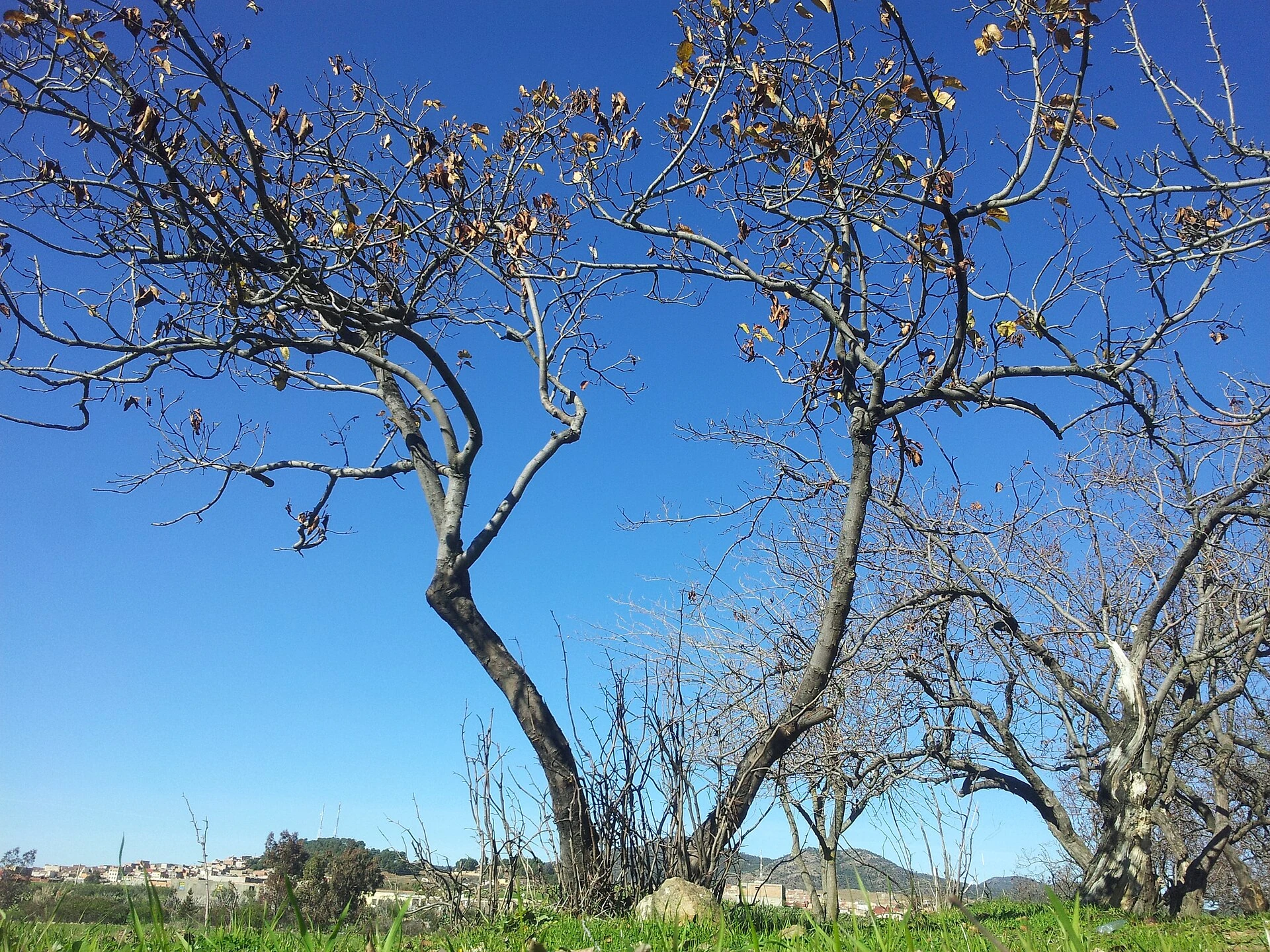
A parcel first offers forms: boundaries, relief, building positions and path connections. Colour alone cannot identify a crop or calendar. A low building does not reveal all functions. Describe what is visible without a yield or technique whose presence has not been verified. Seek place-and-time explanation for a detail that matters.
The landscape deserves attention even when some plants or uses remain unknown after a short outing and no specialist documentation is available. A modest account may be more reliable than a detailed one based on what a particular colour or shape is assumed to mean throughout the region.
Conditions change with season, work and year. An older image does not promise identical surroundings during your stay. If a particular appearance motivates travel, find recent sector information rather than a general Middle Atlas photograph. Mountain context does not guarantee the same ground or vegetation everywhere.
Keep place, date and source when relating view and explanation. These references help memory and other readers more than an assured agricultural account derived from pleasant appearance alone. They also make later improvement possible: a new answer can develop a clearly located question rather than correcting a whole narrative built from uncertain assumptions.
Purchase with product, origin and price understood
Establish item, unit, quantity and price. Nearby countryside does not prove local origin for every product. Ask what is known about the chosen article if provenance matters. A limited answer does not make the exchange useless; it simply avoids generalisation. Aguelmous on an offer or a regional label cannot describe an entire production chain.
Repeated reputation does not replace concrete comparison information. Keep the distinction between what is claimed about a particular item and what the source generally says about the town’s activities, instead of allowing one broad statement to verify everything offered under the same geographical name.
You can ask about use or storage when the seller can explain. This creates a focused subject without expecting a free demonstration or long tradition narrative. No current reference price is supplied here. Old labels and another traveller’s memory do not determine today’s terms. Agreement concerns the actual proposal.
For a meal, ask portion, ingredients and preparation separately. No restaurant or product is described as personally tested. Advice helps clarify available offers rather than assign a quality or origin not established by the documents. A simple purchase can remain part of discovery without becoming an unverified recommendation for everyone else.
Define accompaniment before committing
For a rural-activity outing, ask organiser, meeting place and inclusions. Transfer, exterior observation, explanation and authorised entry are not equivalent. Knowing the way does not replace permission from those responsible for a property. Discuss language and pace before booking if important. No circuit, tariff or current hours are confirmed here.
A useful offer is understood for your date and needs rather than a broad promise of nature, traditions and views without location. Compare the actual content, including which places are involved, instead of assuming that similar titles describe the same experience simply because both use the town or provincial name.
Arrange return too. A ride does not automatically include extended waiting during an encounter. Agree explicitly if the driver remains available. With children or limited mobility, request surfaces, steps and pauses on the actual route. A nearby map point may be inconvenient. Simplify or postpone when essential information is missing.
Entering a farm is not required for the subject to matter: permitted observation and a situated explanation may introduce it adequately. A clear modest choice can give more time for understanding than a broad programme whose last approach, consent and return would only be worked out after the group has already left town.
Preserve accurate memories of encounters
Ask before portraits, interiors and images close to working operations. Purchase and conversation do not grant that permission by default. Accept refusal without pressure. Keep exact place and date rather than presenting a regional photograph as central Aguelmous. A sharp image can retain wires, ordinary constructions and tracks.
Removing them or assigning the scene elsewhere changes information. For an existing photograph, check author, source and licence while separating reuse rights from present site access. A picture may be legally available and correctly located without depicting a place open to visitors or a service operating when a later reader arrives.
At the end, retain a few understood relationships rather than a complete portrait of rural life. One person and place do not represent the whole territory. Questions can guide a later stay. Centre, landscape and a prepared walk may follow without becoming compulsory activities.
Aguelmous keeps its dimension as a town connected with real work, not an inventory of open farms or assumed services. This reading can be simple and precise.
It needs no invented detail to justify the outing and no claim that a few lines in a town notice establish every visitor possibility suggested by an attractive image or conversation.
