
Contents
Locate Guercif within eastern Morocco
Guercif is an inland town in northeastern Morocco and the capital of Guercif province, within the Oriental region. Start planning by separating these three geographical levels. An address described as being in the province may be well outside the urban centre, while a countryside photograph labelled Guercif need not show somewhere reachable on foot from your accommodation. Check the actual location of each proposed stop before combining it with a walk around town. This makes the difference between a manageable visit and a misleading itinerary.
The town occupies a corridor linking the Taza area with eastern Morocco, near the wider landscapes of the Rif and Middle Atlas. Connections towards Fez and Oujda help explain its role in trade and transport. They do not make every attraction in those mountain ranges a Guercif attraction. Select a specific place, establish which municipality contains it and check the journey involved. A regional map is useful for orientation, but it cannot establish whether a rural entrance, viewpoint or path is currently available to visitors.
Town history and provincial geography
The establishment of Guercif province in 2009 is an administrative milestone rather than the foundation date of the town. Historical summaries describe regional exchanges, markets and urban growth associated with transport routes. Population figures in some online accounts conflict or combine different territorial units. This guide therefore avoids using them to create a tourist ranking. If you need demographic information, consult the official census table and check its year, boundaries and whether its figure concerns the municipality or the entire province.
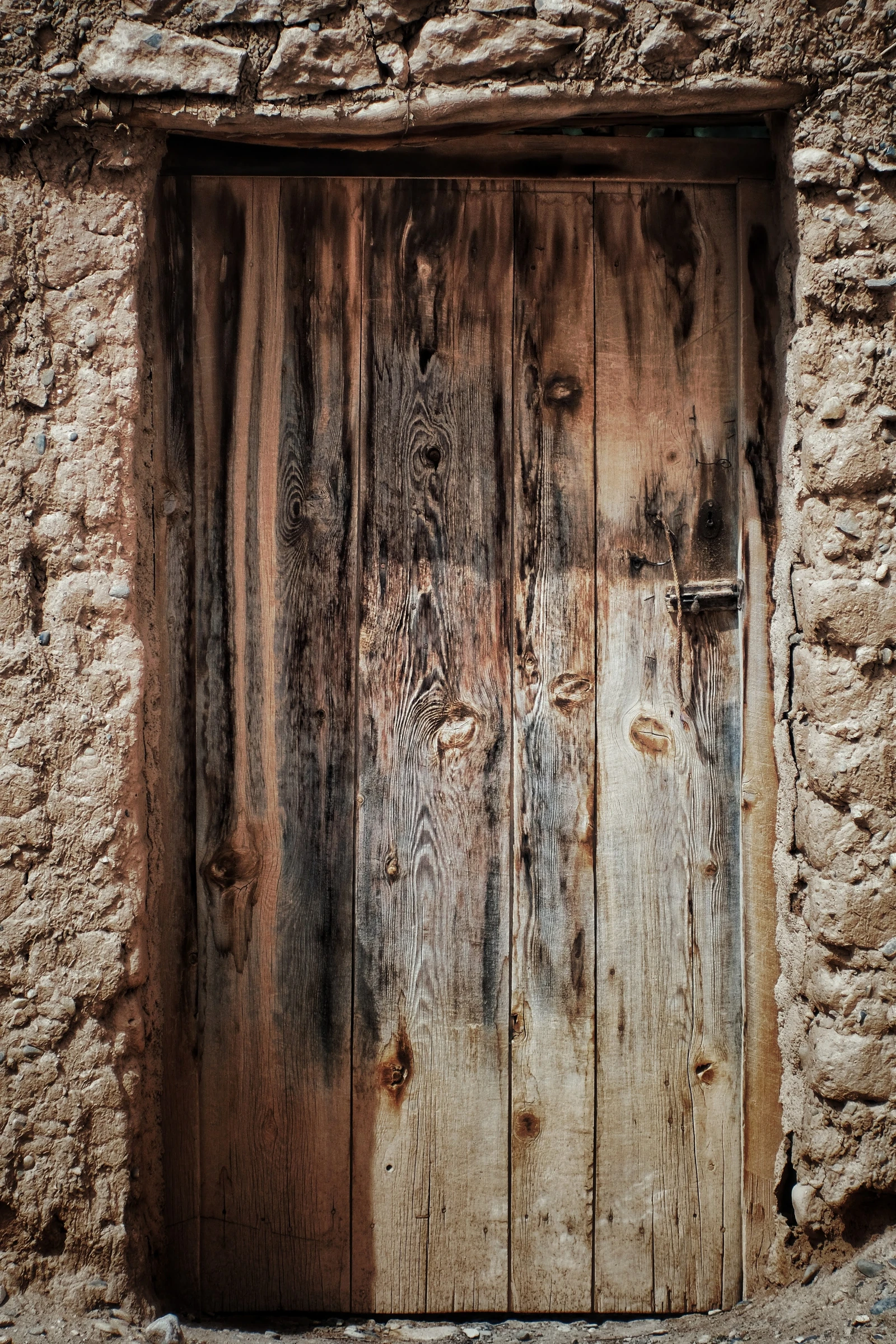
A stay in Guercif can be about understanding a working town and its relationships with the surrounding countryside. Streets, shops, everyday journeys and agricultural landscapes offer context without requiring a checklist of grand monuments. Residential districts remain places where people live. Ask before photographing a person or a private entrance and avoid blocking doorways. The house photograph below illustrates an architectural detail identified by its photographer; it does not identify a public monument or suggest that visitors can enter the building.
Understand the Moulouya landscapes
The Moulouya is a major geographical reference in eastern Morocco. Its basin connects mountain areas, agricultural plains and, farther north, the Mediterranean. The river mouth near Saïdia and Ras El Ma is separate from Guercif. Pictures of coastal wetlands, beaches or estuary birds should not become illustrations of the town centre. When examining a river photograph, check its precise location, date and caption. The name of a large river alone cannot establish that the scene belongs to the section you intend to visit.
Around Guercif, water provides a way to understand cultivated land and landscape contrasts. A farmed valley, a river channel and an irrigated plot have different uses and access conditions. Agricultural tracks may be private or reserved for work. Observe from a permitted position and avoid stopping on a dangerous roadside or crossing fences. Water visible in an older picture does not guarantee present flow, a bathing opportunity or a riverside leisure service. Plan an observation according to current conditions rather than an attractive photograph.
Keep a countryside outing specific
Check the weather and local information before seeking a river access, especially after rain or during hot conditions. A dry crossing does not prove that a route remains usable throughout the year. With children, choose a stable public viewing position rather than an uncertain descent towards the water. This guide does not identify a verified waymarked trail, boating circuit or continuous riverside promenade. A short stop with a clear access and return can be more useful than trying to follow an undocumented route.
Msoun can refer to a watercourse, a locality or the kasbah also known as Kasbat Msoun. The latter is on the Taddart side of the wider area between Taza and Guercif and is distinct from the town centre. Historical descriptions do not establish its current visitor arrangements. If you want to include it, confirm the exact location and access with a suitable local source. Treat the journey and return as a separate outing, without assuming permanent admission or a staffed heritage attraction.
Read the olive-growing economy
Olive cultivation features prominently in descriptions of Guercif province and helps explain connections between producers, rural settlements and the urban trading centre. An agricultural sector is nevertheless different from a visitor attraction. An orchard seen from the road does not automatically offer tours, and a processing unit need not receive the public. Obtain an agreement, exact address and actual welcome arrangements before organising a meeting. No olive-mill visit, tasting session or farm experience is presented here as a confirmed service available on demand.
Online olive-growing areas, yields and production totals vary with the year and the territory measured. A figure for the whole Oriental region cannot be assigned to Guercif province alone. Harvests also change between seasons and with water conditions. This guide concentrates on understanding the activity rather than comparing incompatible statistics. Promotional descriptions such as olive capital are not treated as an established official ranking. They also do not demonstrate that a visitor can arrange a tasting at any time simply by arriving in town.
Buy food with clear information
When buying olives or oil, ask about the batch origin, date, packaging, quantity and price before paying. A purchase made in Guercif does not by itself prove that the product was grown within the province. Compare the information provided and avoid inferring organic certification or superior quality from a traditional-looking container. For onward travel, use a securely closed package suited to your luggage, then check the carrier’s rules. Take particular care with liquids if a later part of your journey involves a flight.
For a meal, choose an establishment that is actually open and ask which dishes are available, what they contain and how the stated price is calculated. Tagines, couscous and salads belong to a wider Moroccan culinary context; their possible availability does not make them exclusive Guercif specialities. Explain allergies clearly and check the response before ordering. Olive-related events also need verification for the relevant edition. An old announcement cannot establish the current venue, dates, programme or whether the public can attend a particular activity.

Arrange transport and an overnight stop
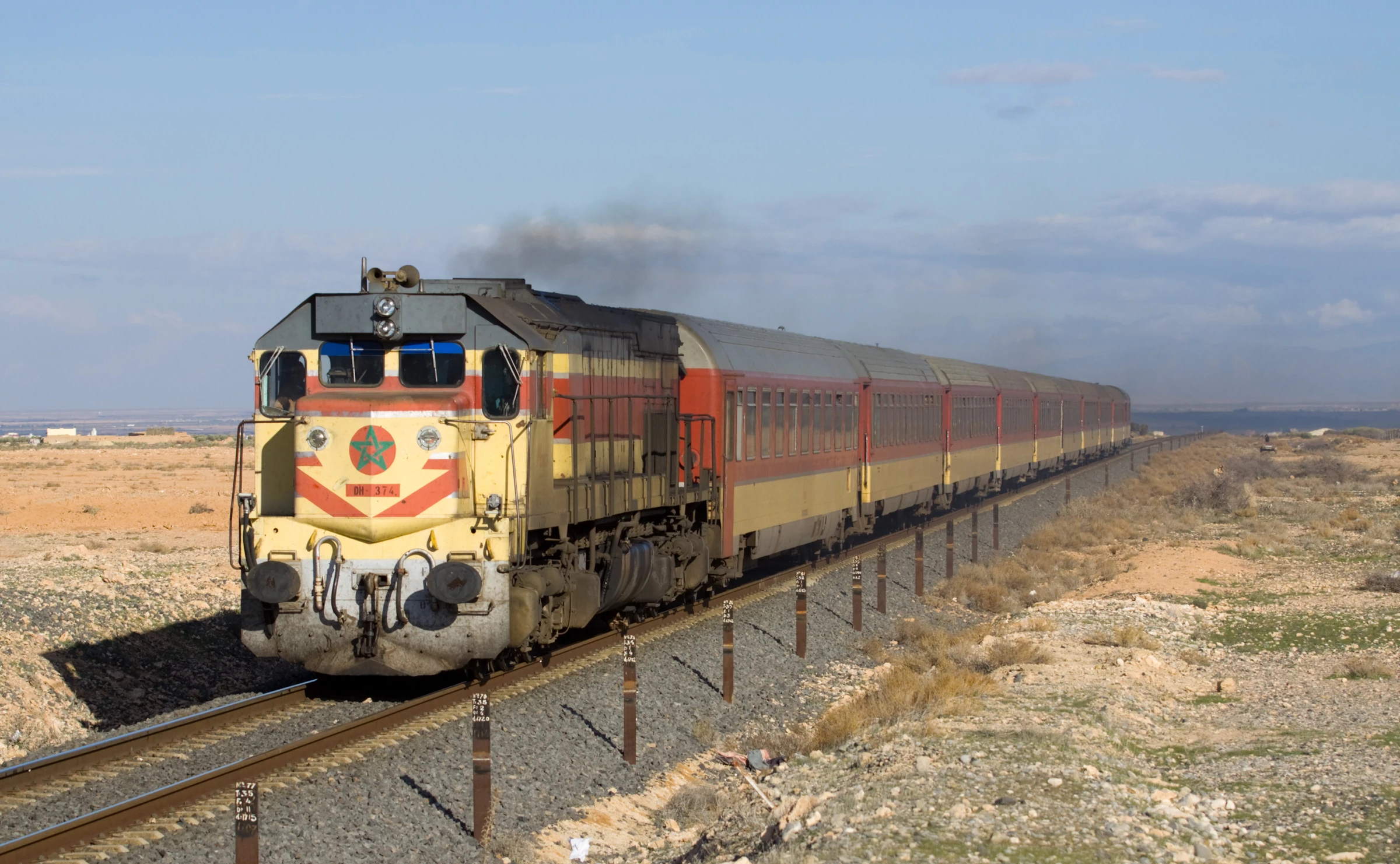
Guercif lies on an important road and railway corridor between central Morocco and the Oriental. The existence of a station does not establish a direct train for your intended journey on a given day. Ask ONCF about the departure station, destination, changes and ticket conditions. The railway photograph on this page shows an older train near Guercif. It illustrates the area’s transport context rather than a current timetable, guaranteed rolling stock, seat category or service that has been personally tested for this guide.
Prepare onward connections to Taza, Taourirt, Oujda or Nador separately. A road shown on a map does not confirm a direct coach or its frequency. Compare the real departure point, luggage rules, last useful connection and means of reaching the final address. For a taxi, clarify the destination and charging arrangements before departure. This dossier does not provide a fixed local fare or promise a particular vehicle colour. Keep enough time to resolve changes without relying on the final possible departure of the day.
Match the base to your journey
For accommodation, identify an exact address and confirm the features that matter directly with the property. These may include a late arrival, bathroom arrangements, air conditioning, stairs, parking or mobility requirements. A listing in a directory can be outdated and does not prove present availability. Compare the location with your arrival point and intended activities. An out-of-town property may suit a trip by car while making a stop dependent on public transport much harder. Make this comparison before accepting an attractive headline price.
Adapt plans to the season and forecast rather than a single general impression of Moroccan weather. An extended walk during an inland stop requires water, breaks and suitable sun protection according to conditions. Keep a margin for the return and changes of transport. Separate accommodation, meals, journeys and purchases when calculating a budget, so that quotations cover comparable services. A lower room price may offer little advantage if it creates several additional journeys or requires an arrival time incompatible with the ticket already booked.
Choose nearby places without merging them
Taza and Taourirt provide ways to extend a journey through this part of Morocco, but their historic centres and surrounding scenery are not Guercif sights. Choose a neighbouring destination for its own interest and allocate realistic travel and visiting time. Links from this dossier lead to separate pages to preserve that distinction. In particular, a photograph of a Taza monument should not announce a central Guercif visit merely because both towns appear in the same broader travel plan or railway corridor.
Kasbat Msoun may interest readers exploring the history of regional movement. It requires different preparation from an urban walk. A heritage description or historical date cannot establish ownership, structural safety or opening arrangements on your travel day. Do not plan an interior exploration on that basis alone. If access remains uncertain, save the idea for another occasion and choose somewhere whose visiting conditions can be confirmed before departure. Historical interest is useful context, but it does not remove the need for a practical visit plan.
Use the illustrations within their limits
Each photograph has a specific purpose: the door shows a house detail identified as Guercif by its author, while the train documents a railway setting near the town. None proves the condition of every street today or permission to visit the photographed building. Authors, licences and known dates are provided beside the images. The railway record contains inconsistent date information, so only the year 2010 is retained. No exact day or month is presented as certain when the underlying record does not support that precision.
Build your own stop around a confirmed arrival address, one straightforward urban objective and a reliable onward or return connection. Add a countryside or heritage outing only when a concrete access can be organised. The cited sources help explain Guercif and its province, while operators remain the appropriate contacts for availability and schedules. This approach keeps the journey at the town’s actual scale. Provincial statistics, older photographs and regional names become useful background rather than promises of attractions or services that may not be available.
