
Contents
Start with the coast you can actually reach
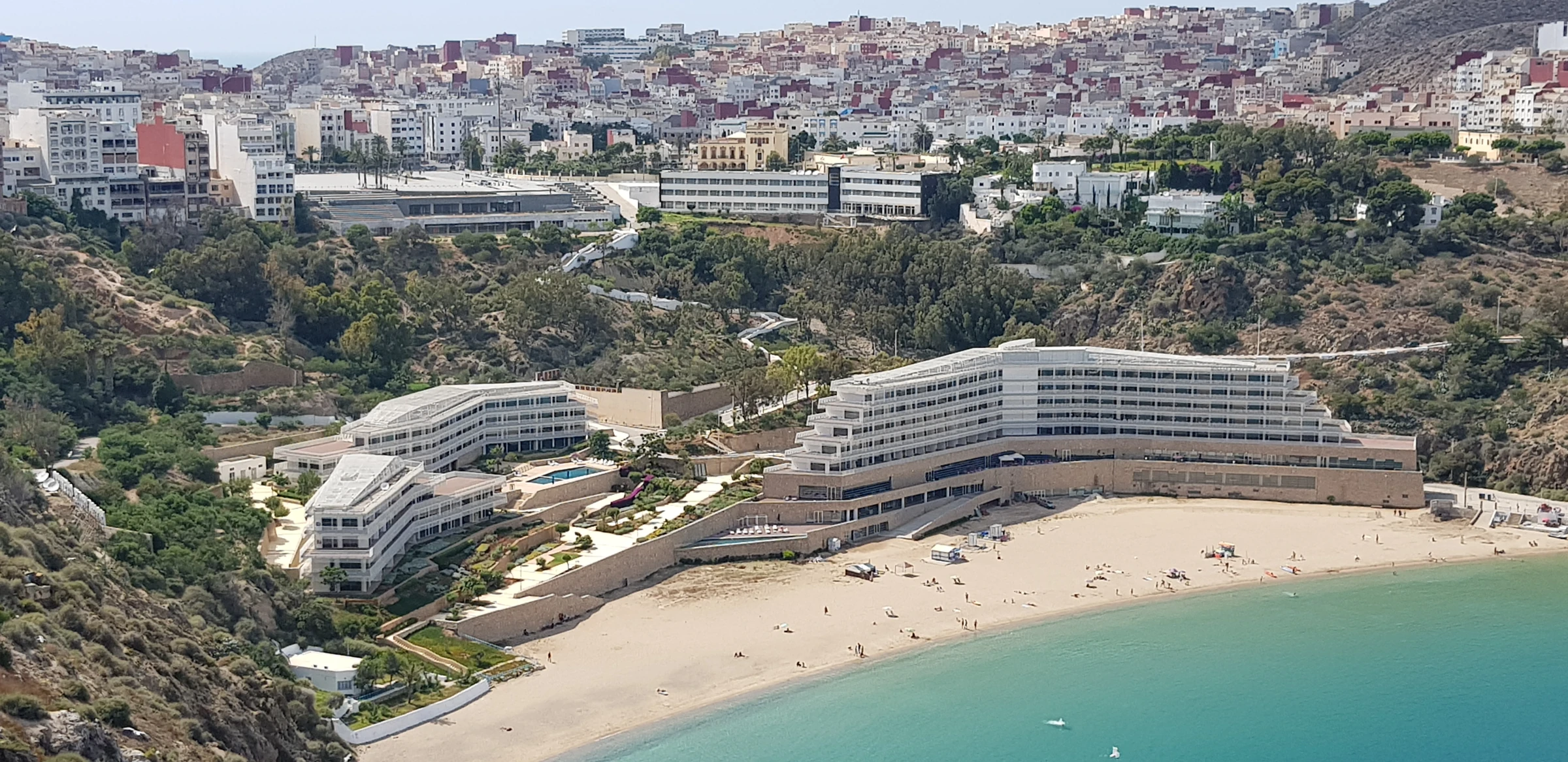
Al Hoceïma’s coastal appeal is not a single beach repeated under several names. The city’s relationship with Quemado, the beaches promoted around the wider destination and the more rugged stretches of the Rif coast offer different experiences. Start with that variety rather than a league table of supposedly perfect shores. A beach that works well for a brief urban pause may not answer the same needs as a place chosen for an entire day beside the water.
Quemado forms part of the city’s coastal image, while Cala Bonita is another named interest in the national tourism office’s account of Al Hoceïma. The regional beach presentation also mentions Asfiha or Sfiha, Espalmadero, Tala Youssef, Badès and Armoud. Their appearance together in a destination guide does not put them all in the urban centre. Use the actual location to decide whether an outing is a walk, a planned journey or something better left for another day.
An urban bay and a regional beach are different outings
Accommodation marketing can make this geography harder to read. A photograph of one cove may be used to illustrate a much wider area, and a sea-facing room does not establish direct access to its shore. Before choosing a base for a beach-centred stay, look at the relationship between entrance, approach and water. A saved position and a description of the route tell you more about everyday convenience than a general promise to be near the Mediterranean.
Keep the return in the picture from the beginning. Al Hoceïma’s relief means that a descent can feel easy while the way back requires more energy, particularly after time in the sun. A mapped distance also says little about steps or the final stretch of an approach. Choose the outing around the least comfortable part of the route for your group, not just the inviting view at the bottom. That leaves more energy for enjoying the coast itself.
Read differences between sand, rock and relief
The tourism office describes different landscapes along this coast: Tala Youssef in a mountainous setting, a rocky shore at Badès and a sandy beach at Armoud. Those descriptions help explain why two photographs of the Al Hoceïma region can look very different. Sand, rock and surrounding relief shape the feel of an outing, the places where someone might pause and the kind of observation that makes sense. They do not, by themselves, establish suitability for swimming.
A sandy appearance may appeal to someone hoping to sit comfortably, while a rocky coast may be more interesting for its forms and outlook. Neither description tells you the current state of the approach or the facilities available when you arrive. Decide which qualities matter most before travelling. A group seeking an easy, restful day is making a different choice from walkers interested in coastal scenery, even when both are looking at the same regional list of beaches.
Choose an experience before choosing a name
The bay can also be enjoyed from above. A view from the urban side of Al Hoceïma allows the shape of the shore and the relationship with surrounding streets to be seen without making bathing the purpose of the visit. That is a worthwhile coastal experience in its own right. It works particularly well when companions want different levels of activity, or when the conditions encountered make entering the water less attractive than simply being near it.
Names and spellings deserve a little care when arranging a meeting. Asfiha and Sfiha, or the forms used for Cala Bonita, may appear differently across services. Save the position associated with your chosen beach rather than relying on a single name spoken over a call. The aim is not to memorise every variant, but to ensure that the driver, accommodation contact and people travelling together all understand the same place and the same point of return.
Treat swimming as a decision made on the day
The Mediterranean setting is central to the destination, yet no photograph establishes the conditions a swimmer will meet. Water colour, bright light and an empty-looking shore describe a moment, not a continuing promise. On arrival, pay attention to the actual sea, local instructions and the part of the shoreline being used. If the conditions are outside your comfort or ability, letting the beach remain a place to look, sit or walk is a sound choice.
Different members of a group may mean very different things by a beach day. One person might want to swim, another to read beside the water, and another to photograph the landscape from a comfortable position. Agree on those intentions beforehand so the plan does not depend on everyone doing the same activity. A shore chosen for shared comfort can be more successful than one selected solely because an image made its water look especially inviting.
A good beach visit need not depend on entering the sea
Do not build the day around a rental or organised activity that has not been arranged. The tourism office’s wider sports presentation shows the region’s recreational appeal, but does not confirm a particular operator, departure, equipment offer or suitable conditions for your dates. If an activity matters, establish the actual provision separately. If it does not, pack for a day that remains worthwhile without buying anything more than the food or transport you have deliberately planned.
Children and companions who tire easily change the practical balance. Access to shade, a manageable return and a place to pause may matter more than the broadest possible panorama. Bring the essentials your own group needs rather than assuming a beach will supply them. Match the outing to the people making it, with enough flexibility to shorten or redirect the day comfortably. When everybody can enjoy the pause, a relatively simple coastal plan can become a highlight of the stay.
Plan supplies, pauses and the journey back
Water, sun protection and a suitable way to carry what you bring belong in the beach plan before departure. A general destination description cannot establish whether a shop, restaurant, shaded place or hire service will be available beside a particular shore. Organise your own needs around what has actually been confirmed. This makes it easier to choose a quieter landscape for its qualities without depending on facilities that were only visible in an old photograph or assumed from its popularity.
Food can be a simple part of the outing rather than an extra journey in the middle of it. Decide whether you will bring a meal, eat before leaving, or return to town for the main pause. Where there is a real offer on the day, choose it on its own terms. A beach name does not provide evidence about restaurant opening, menu choices or the availability of a particular dish, so keep those decisions separate from choosing the shore.
Keep the day focused instead of collecting coastal stops
For a journey beyond your base, be clear about the final meeting point and return arrangement. A transport plan is more complete when it explains where everyone will meet after the beach, rather than merely how they will leave town. Keep the destination available offline and allow enough energy for the final approach. The return should still work if you decide to leave earlier than intended, particularly when the group’s comfort changes during the afternoon.
One well-chosen coast can be enough. Repeatedly packing, moving and finding a new approach may consume the very time you wanted beside the water. Instead of treating Quemado, Cala Bonita and several regional beaches as compulsory stops, choose the combination that serves your stay. An urban coastal pause on one day and a separate, properly organised regional outing on another often create a clearer contrast than several brief visits compressed into a single sequence.
Connect coastal pleasure with care for the place
Some of the wider coast belongs to the setting of Al Hoceïma National Park, whose protected interest includes both terrestrial and marine environments west of the city. A coastal photograph does not identify every access rule or activity permitted there. When planning a park-related outing, use the park guide as well as the beach information. The protected landscape calls for its own understanding of location and conditions, rather than being treated as another freely interchangeable stretch of resort shore.
Keep what you bring under control and take waste away with you. On rocky or vegetated ground, stay with an appropriate permitted approach rather than making a new line just to obtain a closer image. Avoid disturbing animals or removing natural material. Such choices are modest but concrete ways to enjoy the coast without making its ecological interest dependent on a promised wildlife encounter, an uncrowded photograph or a claim that a place is untouched by human life.
Make room for the park and the working waterfront
The port represents a different coastal use again. It is part of Al Hoceïma’s maritime identity, but a working waterfront is not a bathing area or an automatic departure point for leisure trips. Give each setting its own role in the stay: the urban bay for orientation, a selected beach for time beside the water, the port for observing the city’s maritime relationship, and the park for a separately planned encounter with protected land and sea.
Return to the overall guide when deciding how much coastal travel your holiday really needs. You may prefer a reliable base near the town’s daily life and a small number of chosen outings, or a quieter location whose position suits the shore you value most. Neither pattern is universally best. The successful choice is the one in which the setting, the journey and the return all support the experience you want, rather than competing with it.
