
Contents
Choosing a modest understood route
Start with accommodation or a clearly identified drop-off, then choose two references and a break. The centre is not necessarily continuously pedestrian; examine crossings, pavements and traffic before extending. Short distances can take time with children, luggage or reduced mobility. Keep a familiar way back. Covering the whole town is unnecessary for understanding part of it. The route should serve people and observation rather than saved pins whose connections were never checked. An identifiable endpoint helps everyone know when the walk is complete and where transport can meet the group. That is more practical than discovering an uncertain return only after energy or weather has changed.
Observing businesses without inventing opening times
Shops and selling areas give local references, but days, rhythms and products cannot be inferred from old photos. Ask what operates during the stay. This guide assigns no unsourced market day or permanent opening. For food purchases compare amount, price, composition and storage. Confirm provenance where important; sale location alone is insufficient. A visit can be pleasant without buying, provided entrances and displays remain clear and workers are respected. An attractive image is a record of a moment rather than an offer available every day. Check the actual service before organising a group around it, especially when someone needs specific food or the visit must fit a later departure.
Reading history through identifiable sources
Local accounts, names and old images may encourage learning Ahfir’s history. Distinguish documented information, memories and anecdotes. Do not give a building an assumed date, maker or function merely to enrich a walk. If interested, seek an identifiable reference and check access before making it a group appointment. An attentive walk can address the present without an invented historical tour. Observe current streets, businesses and shared spaces; that provides context without a detailed heritage narrative. A story repeated by several visitors still needs evidence before becoming fact. You can appreciate a place’s appearance and everyday role while leaving uncertain claims open instead of attaching a dramatic explanation to every façade.
Photographing with permission and without obstruction
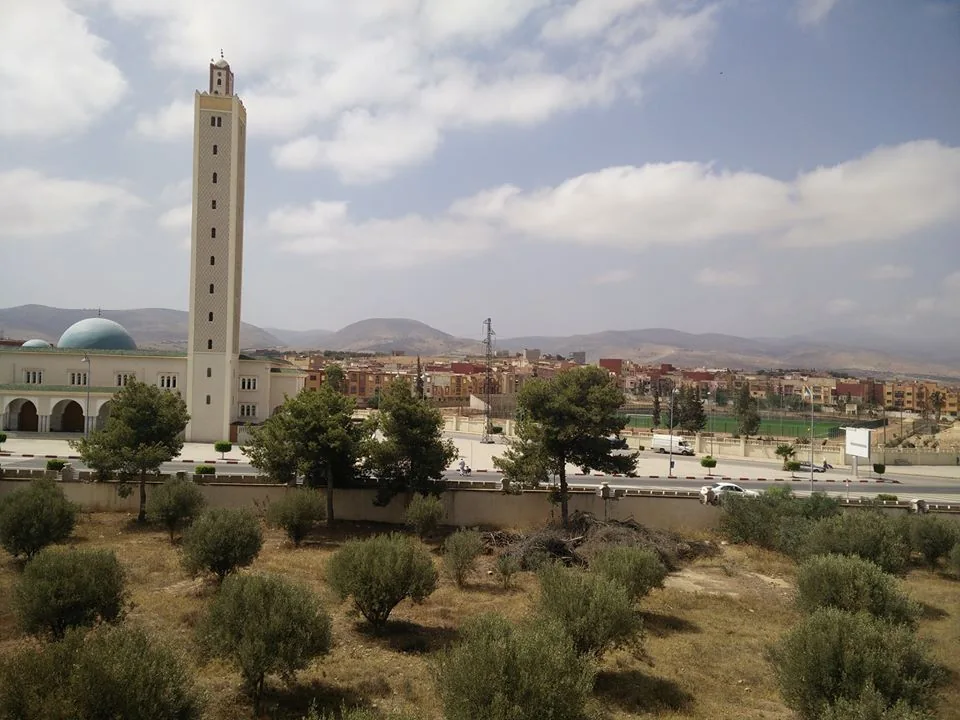
A street is a space for life and movement, not a visitor set. Stand securely without blocking pedestrians, vehicles or entrances. Ask before portraits or close images of workers and accept refusal. An open door does not mean the interior is visitable. Follow rules of worship places, institutions and private property. The article’s photographs describe their named scenes, not services or identical access on your date. Looking carefully should preserve residents’ control over activities. Avoid turning a short photo stop into an obstruction while others need to pass. A respectful view from an authorised place can be enough without entering a space or approaching a person who has not agreed.
Buying and exchanging with clear expectations
Ask materials, dimensions, prices and services where interested. A regional item can originate elsewhere; useful information is what the seller can actually confirm. For an order or delivery, agree time, cost and responsibility before payment. A spontaneous conversation is neither a reserved guide nor a purchase obligation. Polite refusal allows the walk to continue. If a tour is proposed, settle content, language and terms first. Clarity makes exchanges pleasant and avoids discovering afterwards that participants understood the offer differently. Keep any important confirmation for a later collection or shipment. The aim is a purchase or service you understand rather than an authenticity promise too broad to explain the actual object, conditions or agreed work.
Planning breaks and return around the day
Heat, rain, traffic and fatigue change an urban route. Identify a genuinely accessible seat or meal and a collection point where needed. Before onward travel include luggage retrieval and operator presentation time. A central address guarantees neither quiet nor shade on every approach. The main guide locates other discoveries; access prepares connections. Finishing earlier can be better than preserving a planned duration. Rest often improves the remaining stay more than a final crossing without a clear purpose. Share the endpoint so anyone needing an early return can explain where they are going without relying on another person’s phone or an approximate instruction everyone interpreted differently.