
Contents
Understand a saline environment rather than a beach
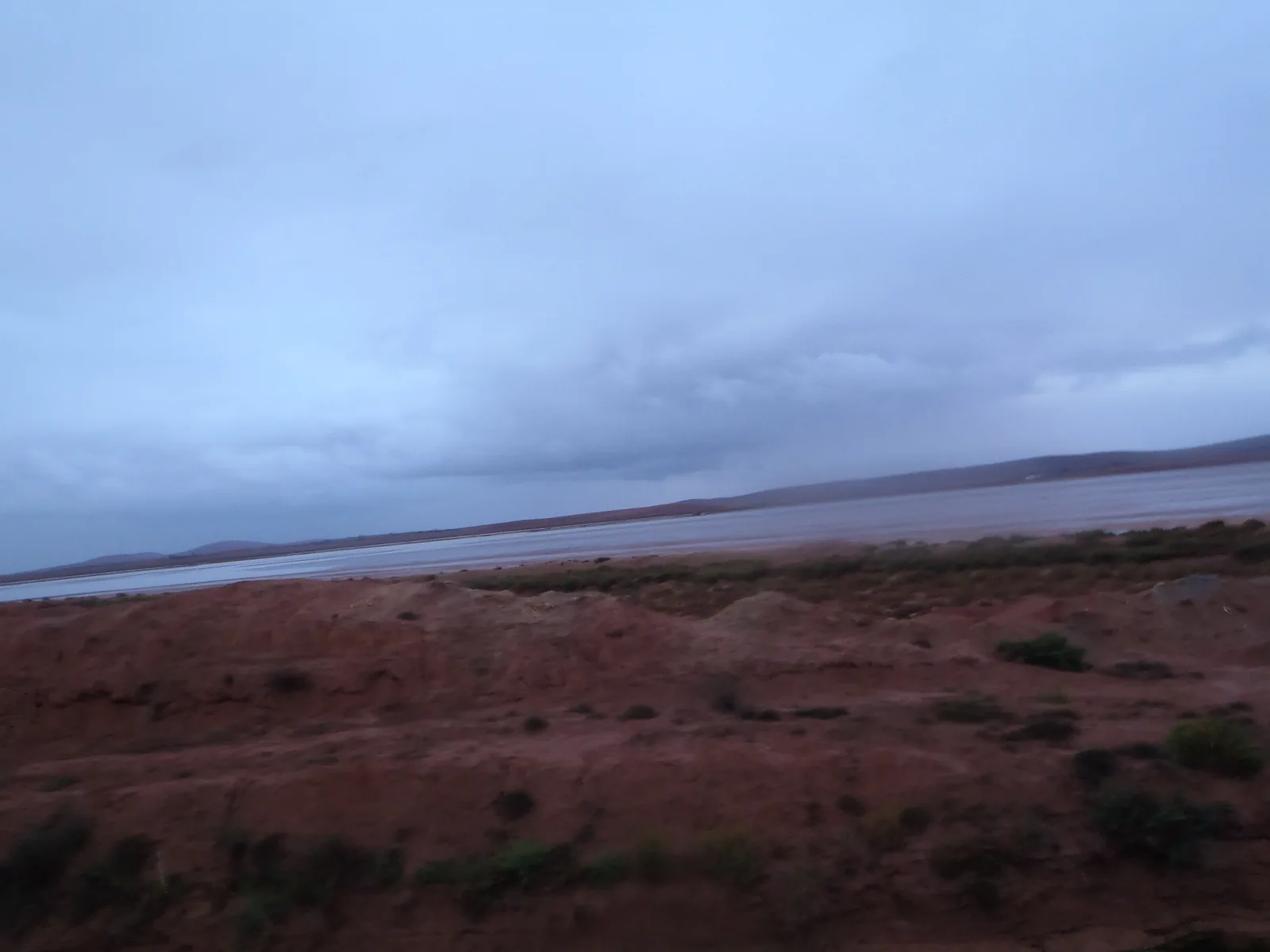
Lake Zima’s name may suggest permanent water, but a sabkha visit follows the actual environment. Check access, ground and observation point without assuming swimming. Water extent and exposed surfaces may change; one photograph cannot represent all seasons or dates. Choose what to observe, then a modest route and return. Landscape, colours and understanding a saline wetland can be the interest instead of recreating an image found before departure. A shorter visit from a clear permitted place may be more rewarding than seeking a particular scene whose water, light and wildlife are not guaranteed during the actual stay.
Identify access and a stopping place
Before leaving Echemmaia, ask for the exact point, usable approach and vehicle stop. A mapped trace or distant visible shore does not establish public passage. Do not enter property or working areas without agreement. With children or reduced mobility, check the last path and an option near accessible ground. An outing can simply involve observation from a permitted place. This avoids turning a straightforward objective into an improvised long walk or a search for an entrance nobody identified. Clarify where to meet afterwards instead of relying on the general lake name, particularly when several tracks or possible stopping areas appear on a map.
Observe birds without promising encounters
A wetland can inspire birdwatching, but species, numbers and location cannot be guaranteed for a given visit. With guidance, clarify content and conditions instead of a close-photograph promise. Keep distance and passages clear without pursuing animals for a better image. Binoculars may support comfortable observation from an appropriate place. Even without a particular encounter, landscape and observation time can make the outing worthwhile. The programme should not depend on a natural result no provider controls. Let the experience follow what is actually present instead of treating an earlier photograph or another traveller’s sighting as the minimum result of a successful day.
Match walking to ground and weather
Apparently dry ground may differ farther along. Check terrain and keep a turnaround instead of following another visitor’s trace indefinitely. Heat, wind, rain and exposure can alter comfort. Plan water, breaks and equipment for the chosen path without assuming a service at every stop. If some prefer a shorter route, agree clear collection. Base decisions on actual conditions and abilities rather than a broad distance or the desire to cover the entire shore. A practical return should remain available before tiredness or changed footing makes it necessary. Turning earlier can preserve time to enjoy the landscape rather than spend the remaining day solving an avoidable pickup problem.
Compare Zima with another regional stage
A salt-wetland outing, Safi day and Marrakech continuation serve different purposes. Safi offers a separate coastal and urban programme; Marrakech needs its own arrangements. Do not automatically combine the names into one circuit. Compare journey, time on site, meals and return, or change accommodation as the trip continues. One prepared objective may offer more than many quick stops. Regional photographs should be read with exact locations rather than treated as immediately nearby places. A smaller itinerary leaves actual visiting time, whereas an optimistic circuit can reduce every destination to a short arrival before everyone must leave again for the next name.
Keep the return coherent with reservations
Before departure, agree collection place and time with room for breaks and changes. Pleasant light should not make return incompatible with onward transport or the group’s needs. If accommodation and vehicle are separate, send changes to both. The guide connects options and the transport article prepares continuation. A successful day leaves rest and time for the next stage rather than measuring interest in added stops or hours seeking an identical photograph from another stay. Confirm a revised meeting when plans change instead of assuming all participants heard the same conversation or that an independently booked driver automatically knows the latest decision.


