
Contents
Identify one event with several names
The Battle of the Three Kings took place on 4 August 1578 near Ksar El Kébir. It also appears as the Battle of Wadi al-Makhazin or Alcácer-Quibir. These names help identify the same event in Moroccan, French and Portuguese accounts, rather than three separate battles to add to a programme. Before considering an outing, locate the current town and regional setting. The encounter is associated with the surrounding area and watercourse, not with an arbitrarily selected present-day street inside the medina or a building chosen because it looks old.
The broad conflict set the side of Morocco’s ruler Abd al-Malik against Portugal’s Sebastian, allied with the deposed Moroccan ruler Muhammad al-Mutawakkil. Names have several transliterations. Understand roles and alliances before collecting every spelling. A list without context can make the opposition appear simpler than it was. Recognising the Moroccan dynastic conflict and Portuguese ambitions provides a useful first framework without reducing the story to an abstract clash between two completely uniform worlds. It also helps distinguish a ruler’s political role from later interpretations of the event.
Separate narrative from exact topography
Sources place the battle in relation to Wadi al-Makhazin, a tributary of the Loukkos. This broad information does not locate every army position or a ruler’s death on a tourist map. Landscapes change and interpretations need evidence. No route across private land is drawn here to a supposed exact location. Historical discovery can begin with reading and remain connected to understanding the territory, without requiring an accessible battlefield walk. A general association between a region and an event is not the same as a confirmed point visitors can reach or interpret precisely.
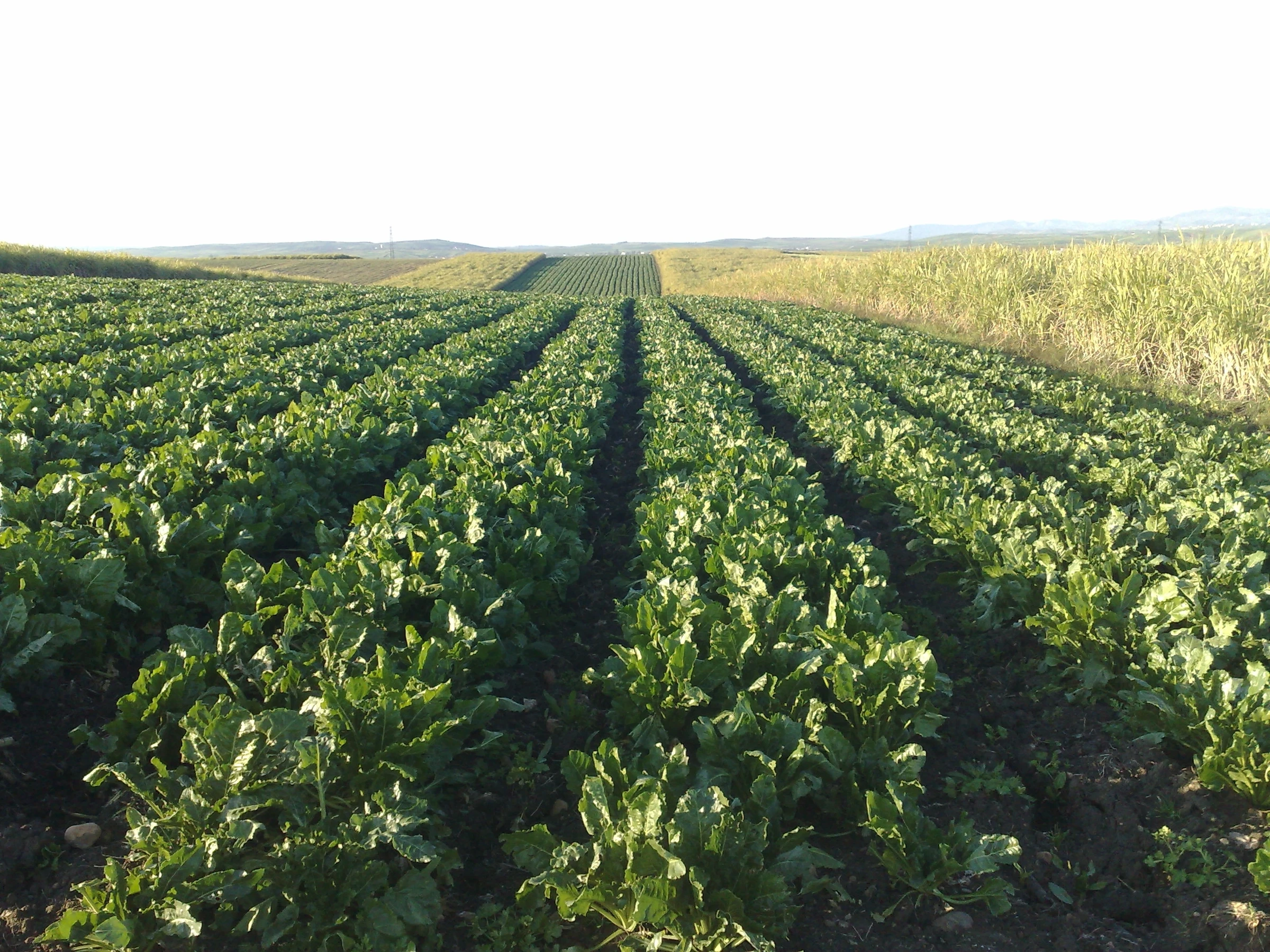
Contemporary photographs accompanying this theme show documented context in the town or its region. They do not depict the battle or prove a precise military location. A façade, mosque or cultivated landscape must not become a commemorative monument through an unverified caption. This limit prevents the image lending false certainty to the text. Check date, description and source to distinguish contextual illustration from historical mapping. A photograph can help imagine the present setting while leaving questions about the sixteenth-century landscape open to the specialised evidence needed to address them properly.
Understand why three kings are remembered
The common name refers to the deaths of the three principal protagonists: Abd al-Malik, Sebastian and Muhammad al-Mutawakkil. The broad outcome was victory for the Moroccan side. This is enough to begin without declaring exact troop figures or disputed tactical details. Numbers can differ between accounts and are not essential to preparing a stay. A clear chronology and understood roles are more useful than a spectacular statistic repeated without its source. The subject remains significant without adding numerical precision that the preparation has not independently established or that historians may discuss differently.
Different forms of a ruler’s name can complicate reading. Abd al-Malik may appear with additional elements, while Sebastian is adapted to the document’s language. Match people before comparing stories. The same caution applies to places: a transliteration difference does not necessarily demonstrate a geographical disagreement. This simple step helps approach different traditions without multiplying characters or sites artificially. It also prevents treating a familiar modern spelling as the only valid historical form, when several names may provide useful routes into accounts describing the same encounter from different perspectives.
Keep later legends in their proper category
Sebastian’s memory generated later narratives, particularly in Portugal. A tradition or legend can be culturally interesting without becoming an observable fact promised in Ksar El Kébir. Separate what people believed, what an author relates and what sources establish about the encounter. This guide does not turn disputed bodies, final gestures or omens into certainty. Those questions require their own historical reading and do not by themselves identify a current visitor site. A compelling story should not become a practical location simply because its connection with a famous event makes it appealing.
Preparation can note points shared between accounts and then their differences. Date, protagonists and broad outcome provide a foundation; tactics and individual episodes require more evidence. Do not automatically choose the most dramatic version. The interest also lies in how the event has been told across languages. Comparison can enrich a stay without any particular monument, giving meaning to Alcácer-Quibir and the town’s place in history beyond its present boundaries. Careful reading remains a valid form of discovery when the physical traces are uncertain or no specific access has been confirmed.
Place consequences within a chronology
After Abd al-Malik’s death, his brother Ahmad al-Mansur came to power in Morocco. Sebastian’s disappearance also had major consequences for Portugal. Avoid compressing all later developments into one instant change at the battlefield. Dynastic and political shifts need their own dates. A battle account is not the whole regional history. This distinction allows discussion of importance without relocating every consequence to the town on the same day. A simple timeline can therefore be more useful than a continuous dramatic narrative that hides the differences between immediate outcome and later political developments.
Portuguese ambitions in Morocco belonged to a framework older and wider than the campaign of 1578. Moroccan dynastic conflict and relationships with neighbouring powers also complicate the picture. A first reading need not detail every previous campaign, but should recognise that the encounter did not arise alone. Keep actors and aims distinct, without assigning today’s residents an identity or opinion automatically derived from a sixteenth-century side. Historical interpretation should illuminate the place rather than project old political roles onto the people who now live and work there in very different circumstances.
Distinguish the periods visible in town
Current buildings and alterations do not all date from 1578. An old appearance cannot establish a building’s participation in the battle. Medieval, early modern and contemporary periods should remain separate during a walk. If a place is presented as connected with the event, ask its name and the basis of that information. A precise explanation can be retained with context, while a vague statement should not become an absolute date in your captions. Looking at the town carefully includes recognising uncertainty rather than forcing each visible feature into one famous historical episode.
Religious buildings are not automatically public historical interpretation spaces. A mosque in a photograph remains subject to its access rules and daily uses. No entry, exhibition or climb is promised. An exterior explanation may suit architectural interest. If you want battle interpretation, confirm that an offered accompaniment actually addresses it. A general town walk does not necessarily include analysis of 1578 or travel towards surrounding places mentioned in sources. Clear content prevents a cultural reference from becoming an assumed service and helps match the proposal to the group’s actual interests and available time.
Prepare historical discovery without inventing a circuit
If seeking accompaniment, state your aim: protagonists, chronology, names or broad geography. Ask about language, duration, content, cost and confirmed permissions. No regular departure, battle museum or marked trail is guaranteed here. Historical knowledge does not grant passage across property. The programme can remain rewarding within town through reading and discussion, without a promise to stand at an exact spot whose identification or access is uncertain. An honest, limited explanation is more useful than a supposedly complete experience built from locations that have not been verified or arranged.
For landscape outings, distinguish the Loukkos basin, main river and tributary. A road on a map does not establish riverbank conditions or rights of way. Do not cross farmland or follow an ambiguous path for a supposedly authentic battle view. Choose a permitted point, suitable weather and a clear return. History does not require intrusion or unnecessary risk. It can be understood without turning the territory into an improvised field-research area for visitors. The relationship between place and event remains meaningful even when observation is from a distance or limited to accessible streets.
Make photographs that do not mislead
Describe what is actually shown and when. A town view can illustrate the place associated with the battle, but should not be captioned as an exact manoeuvre site without evidence. Ask before including identifiable people or private property. Accuracy avoids creating another misleading source for others to copy. Caption errors spread when a famous name attracts attention and the original photographic context disappears. A simple, honest description may be less dramatic, but provides future readers with a sounder basis for understanding and prevents illustration from being mistaken for proof of access or historical location.
Visible image credits identify sources, authors and licences. They explain provenance without certifying a historical interpretation added later by a reader. An older view can document a place at one date, but does not provide a sixteenth-century map. Keeping this distinction makes the subject stronger. An image can start a useful question while leaving uncertainty about battle positions and present access. Reuse permission concerns the photograph; it does not establish that every proposed caption is true or that travellers can follow the depicted approach during a future stay in the same region.
Connect this reading with a northern journey
Ksar El Kébir belongs to Larache Province but is distinct from Larache town. The Loukkos mouth and Lixus require separate preparation. Lixus concerns ancient history that should not be absorbed into the story of 1578. Geographical links enrich a journey when periods and identities remain clear. A neighbouring site is not a battle remnant simply because it lies in the same province or appears beside the river. Give each reference the place and period it actually describes, instead of treating the region as one continuous historical attraction with interchangeable monuments.
The main guide, medina article and Loukkos page help organise these relationships. A day can combine a limited urban walk with historical reading rather than an uncertain excursion. If adding Larache or Lixus, verify transport, access and return separately. Distance, energy and confirmed arrangements should guide choices. More stages do not guarantee better understanding. The historical theme can accompany the journey without requiring every visited place to be directly connected or presented as evidence for the encounter. A coherent programme can be modest while still providing a substantial introduction to the event and its memory.
Keep practical preparation clear
Retain contacts, maps and references without depending on continuous reception. Carry drinking water, allow a pause and understand the return before an outing. The group’s needs remain important even when a narrative encourages lengthy investigation. A walk can be shortened or replaced with reading. This flexibility does not diminish historical interest; it separates curiosity from the physical and practical conditions of the day. Those conditions need their own decisions so the stay remains manageable, rather than being driven by an exact location or experience that was never established as suitable or available.
The Battle of the Three Kings offers a remarkable introduction to Ksar El Kébir and its Mediterranean connections. Begin with a documented date, principal actors and broad outcome, then leave details requiring further sources open. Respect present access and uses. You can connect memory, town and landscape without inventing a monument, museum or route. Precise understanding can be richer than a spectacular visit based on uncertain locations or services. The aim is not to remove every question but to ask better ones, keeping the distinction between historical interpretation and a current visitor programme clear throughout the journey.
