
Contents
Choose the address that matches the stay you want
A stay advertised under Zagora can refer to the town, a setting in or beside the palm landscape or an outing that continues much further south. Start your accommodation search with the actual address and map position. This is especially important when photographs feature dunes: M’Hamid and Chigaga are separate destinations, not a description of the surroundings of every urban room. Knowing where you will sleep gives the rest of the trip a dependable centre and makes comparisons between offers more meaningful.
A town address can suit a stay organised around urban walks and separate regional outings. A location associated with the palm landscape may place a different emphasis on the setting and the final approach. Neither label explains all the practical details on its own. Compare how you would arrive, reach any meals you plan to take elsewhere and leave for the next activity. The best location is the one whose actual relationships fit your interests, rather than whichever has the broadest destination description.
Town, palm landscape and southern stages offer different bases
Look at the room and the surrounding setting as two connected parts of the choice. A photograph of palms tells you something about a view, while the room description should answer questions about the arrangements you need for sleeping and resting. Choose a few priorities that matter to your group, such as the way beds are organised or the conditions for a quiet break. Asking about those specific points produces a more useful comparison than relying on a general promise of comfort.
Meals, excursions and facilities also need to be read as parts of the particular offer. If they affect your choice, establish what is actually included and what requires a separate arrangement. A place to stay and a complete programme are different purchases, even when both are presented together. Bringing the details into one clear picture helps you avoid planning the day around something you have not booked and leaves you free to choose the outings that genuinely interest you.
Connect your arrival with the final approach to the property
For a road journey, place Zagora within the sequence of your wider trip. Ouarzazate and Agdz are relevant reference points in the direction of the Drâa valley, while Tamegroute and M’Hamid belong to a continuation southwards. These directions help organise a map, but your actual transport arrangement determines where you arrive and what follows. Keep the location of the final stop clear, particularly when your accommodation address lies outside the built-up part of the town or away from your arrival point.
The name Zagora Airport and the code OZG can help identify an airport when researching a possible arrival. They do not replace checking the transport actually available for your dates. If you are considering travel by air, connect the specific booking with the next stage to the accommodation, including who is responsible for that movement and where you will meet. Treat arrival at the airport and arrival at the property as separate questions, so that the day has a complete beginning and end.
An arrival point is not automatically your accommodation door
Share the property’s precise location with the person arranging the final approach. A broad description such as Zagora or the palm grove may be useful for recognising the destination, but it is less useful for finding one entrance. Save the agreed address or position in a form you can access during the journey. This is particularly helpful when different bookings refer to the same place using slightly different wording and you need to bring them together into one practical plan.
On departure, work through the same sequence in reverse. Establish where you leave the accommodation, where the next transport stage starts and how belongings will move between them. A stay can finish in different ways: continuing along the Drâa, returning towards another regional centre or joining a separately organised outing. Choose the connection around the actual arrangement you have made, rather than using an approximate journey time from a general destination description as the basis for a tightly packed departure.
Give town walks, rest and regional outings their own rhythm
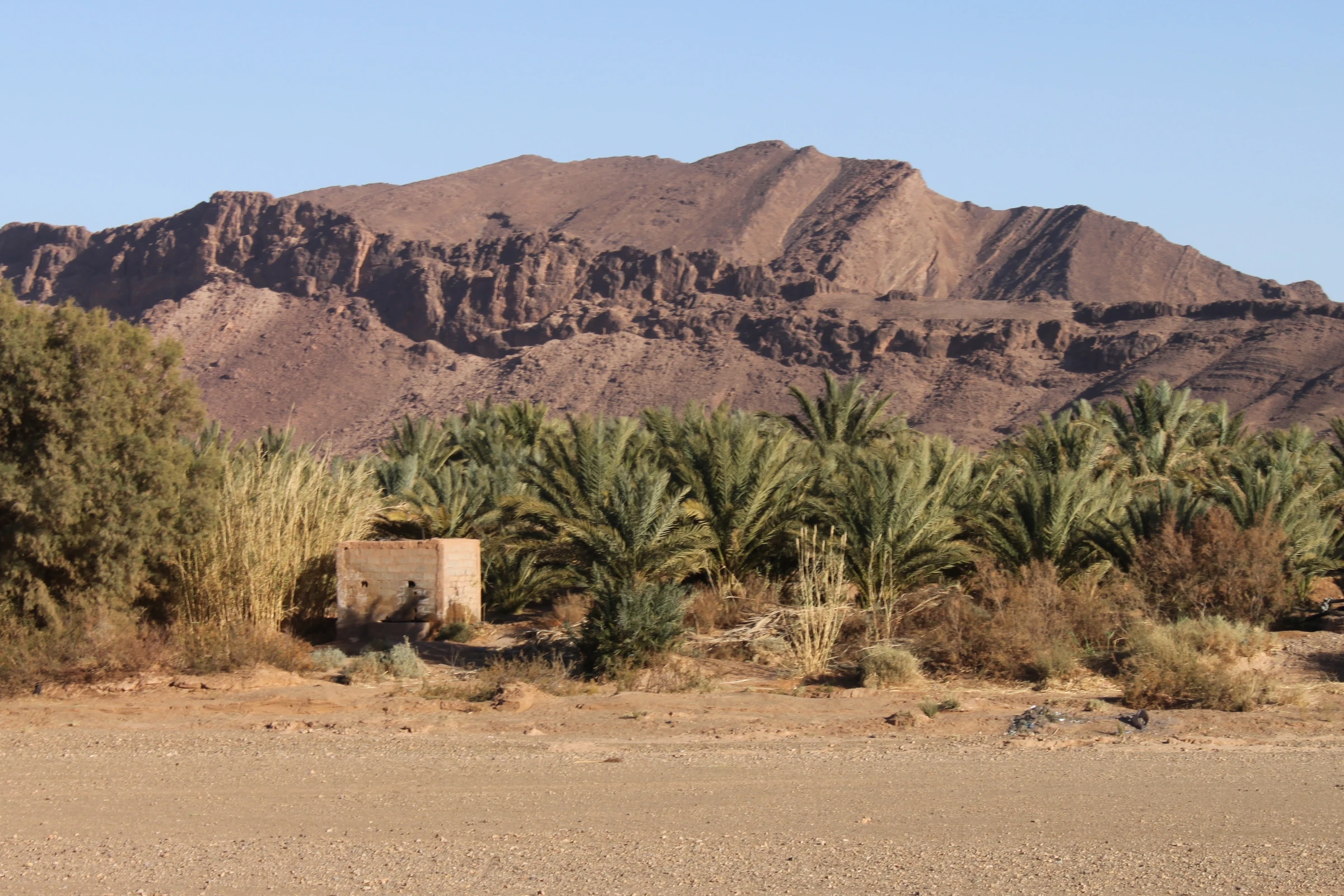
Zagora’s setting encourages several kinds of attention. A town walk can focus on the relationship between streets, the djebel and the palm landscape; an oasis visit can look more closely at cultivated space; a cultural outing to Tamegroute centres on learning and pottery. These are not simply longer or shorter versions of one activity. Thinking about the subject of each day helps decide how much movement, explanation and quiet observation to include, and where a proper pause will be most useful.
Conditions on the day should shape the amount of walking and the timing of outdoor activities. Open spaces, a cultivated setting and a built street can provide different degrees of exposure along one route. Look at the whole movement from departure to return, including any section after the principal stop. Clothing, drinking water and a comfortable place to pause support a more attentive visit, because you can concentrate on the subject you chose instead of continuing simply to complete an oversized list of stops.
Different subjects ask for different kinds of day
A restful interval is worth treating as part of the stay rather than as unused time. After a substantial approach or an outing involving explanation, a meal and a quieter period can help the experiences settle into a coherent picture. You may notice more during a simple later walk because you have already learned something about the valley or the town’s history. This alternation suits a destination whose interest lies partly in the relationship between ordinary urban life and a much larger regional landscape.
Plan companions’ interests as well as their pace. A person attracted by pottery may value time comparing objects, while someone interested in landscape may prefer a focused view of cultivated land and relief. Identify the shared interest that brings a day together and leave room for individual attention within it. A clear theme is easier to enjoy collectively than a succession of unrelated stops, and it helps you choose which outing deserves priority when your available time is limited.
Use Moroccan food references to make practical meal choices
Meals can provide another connection with the wider Moroccan setting of the journey. The national tourism office describes a varied cuisine in which tajines, couscous, bread and mint tea are familiar reference points. These names are useful starting points for understanding an offer, rather than a fixed list that every establishment in Zagora will serve. Read what is actually proposed for the day and decide which meal fits your appetite, the group’s needs and the programme around it.
A tajine refers to a cooking vessel and to preparations associated with slow cooking, with variations involving vegetables, meat or fish in Moroccan cuisine. The name alone therefore does not identify a single recipe or portion. Ask about the ingredients and preparation of the dish being offered, especially when a dietary requirement matters. That conversation makes a familiar menu term more informative and lets you choose a meal on its actual content instead of assuming that one name means the same thing everywhere.
National culinary context and the meal actually offered are different
Vegetable preparations offer other useful references. Zaalouk is associated with aubergine, while taktouka is associated with peppers and tomatoes in the national cuisine described by the tourism office. These examples can help you understand a menu or an explanation, but the relevant question remains what is being made and served at your chosen address. They belong to a broader Moroccan culinary context, giving you vocabulary for the meal rather than establishing an exclusive local speciality or a guaranteed selection in Zagora.
Place meal arrangements within the actual journey. Before a Tamegroute outing or a separate desert stage, decide whether you will eat before leaving, use a specifically included meal or return for food afterwards. Check the quantity and any dietary needs with the person preparing the offer. A clear plan leaves more room to enjoy the meal as a pause and an encounter with cooking, instead of discovering late in the day that the food you expected belonged to a different booking.
Build a stay around a few deliberate choices
A useful programme begins with the experience you most want from Zagora. Choose whether the palm landscape, Tamegroute, urban history or a separate journey towards the dunes is the main reason for your stay. Then add complementary time around it. This approach gives the itinerary a centre without imposing a fixed number of days on every visitor. The right balance depends on the travel you have already arranged, the interests of your group and the amount of time you want to spend in one place.
For an oasis emphasis, connect the town with a focused exploration of cultivated land and the role of water. Tamegroute can add a different dimension through manuscript heritage and green pottery when its actual visiting arrangements fit. For a stronger historical interest, use the town and caravan-memory article to relate modern Zagora to the older inhabited Drâa. These combinations share a regional context while offering distinct subjects, making it easier to choose depth rather than simply collecting names for an itinerary.
Leave with a clear connection to the next destination
M’Hamid and Chigaga require a separate decision about how the southern stage fits into the whole trip. A day outing, a night away and a continuation to another destination create different needs for accommodation and belongings in Zagora. Bring those arrangements together before departure: where you sleep each night, what travels with you and where the next meeting takes place. This turns a promising desert proposal into a comprehensible sequence that connects with the rest of the stay you have chosen.
Keep the final part of the programme flexible enough to absorb what you learn and enjoy. A particular craft encounter, landscape explanation or town walk may become the strongest memory of the visit. Leaving some room around the principal arrangements lets you appreciate that experience rather than immediately rushing to replace it with another stop. The guide and the five linked articles provide different ways to understand Zagora; the purpose of planning is to bring the most relevant of them together into a stay that makes sense for you.
