
Contents
Plan a woodland outing rather than a generic park visit
Bouskoura forest attracts people from the Casablanca area looking for time outside. Preparing that outing requires more than identifying a green patch on a map. Choose an entrance, decide what kind of walk or exercise you want and establish how you will return. An access point convenient for drivers may work differently for someone arriving without a car. Equally, a route comfortable for regular walkers may not suit a family with a pushchair or a person needing a consistently even surface throughout the outing.
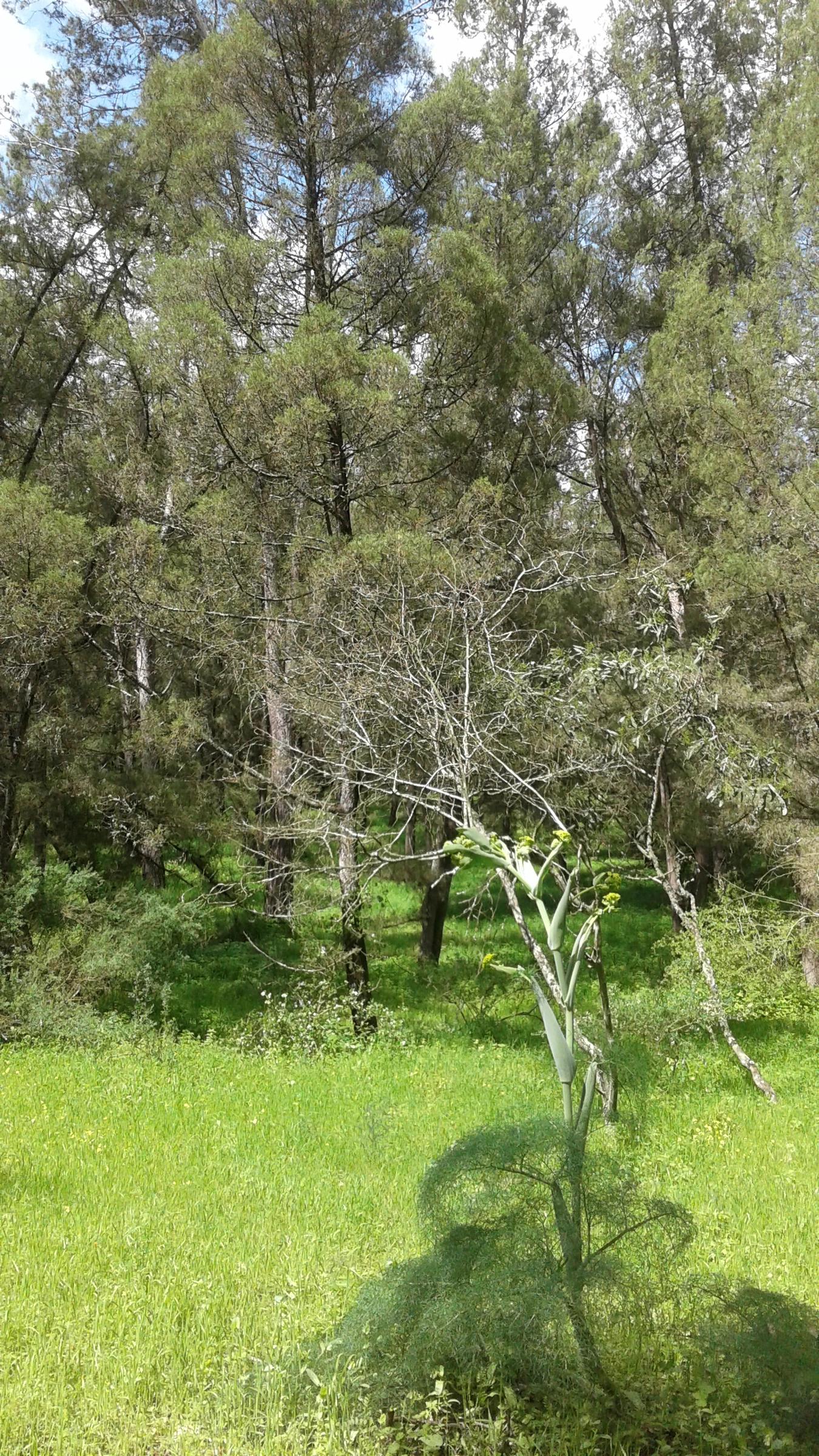
Photographs identified by their creators as Bouskoura woodland document different wooded settings, but do not provide a complete botanical survey or prove that all trees are centuries old. Broad lists of species and exact area figures do not describe every entrance with equal precision. Concentrate on the conditions relevant to your plan: shade, ground, other users and any current restrictions. The forest should not be treated as a standardized facility where toilets, water, play areas or refreshments can be expected wherever you happen to arrive.
Select a recognizable starting and finishing point
Obtain the name or location of the intended entrance before arranging transport. A request to meet at the forest can be too vague for a driver or participants travelling separately. Save the point on your map and keep a version accessible without a connection. Also identify where you expect to finish, especially if the route does not return to the same place. Clear meeting information matters even for a short walk, because similar-looking junctions or a change of plan can make an improvised reunion unnecessarily difficult.
On arrival, read local signs and respect access limits. Temporary closures, work or restrictions take priority over a route prepared remotely. A track shown by an application is not evidence of permission to use it or of its present condition. Do not cross a fence simply to reach a line visible on a screen. If the intended entrance is unsuitable, choose an authorized alternative and shorten the plan as needed. An adjusted walk is preferable to forcing an itinerary whose basic access conditions no longer fit the visit.
Match the route to walking, running or cycling
For a first walk, a straightforward out-and-back route can make distance and fatigue easier to judge than an unfamiliar loop. Ground conditions, heat and the group's pace affect the effort required. Roots, stones and uneven patches deserve attention even when the walk appears undemanding. Suitable footwear improves comfort. If a participant needs step-free or firm surfaces, obtain recent information about the complete intended route rather than assuming that a favourable description of one section applies to every part of the outing.
Running requires a choice of sector too. Someone accustomed to regular urban surfaces may find natural ground more demanding, while a clear track can also be busy with walkers. Begin at a manageable pace, note junctions and avoid a target that makes a calm return difficult. A shorter session suits a first visit better than an improvised long circuit. The forest's reputation as a jogging destination does not replace preparation for your own fitness, weather conditions or the needs of anyone accompanying you on that particular day.
Share paths according to visibility and other users
Cyclists should adjust speed to sightlines and pedestrians, particularly near families, children or animals that may change direction unexpectedly. A narrow path does not become a priority sporting trail because it appears in a mountain-bike recording. Leave enough space when passing and avoid sections beyond your ability. Equipment rental and organized instruction are separate services that need confirmation with an identifiable provider. Planning a ride should not depend on finding a bicycle, guide or repair facility at an entrance where none has been verified.
With children, select a route that can be shortened easily. Follow their energy and interest rather than reproducing an adult exercise programme. Looking at bark, shapes and light between trees may be enough to make a visit engaging. Keep younger children nearby and explain how the group will move. A traffic-free stretch does not prove that the whole area excludes vehicles or bicycles. Allow time for stops and a simple return, so the final part of the walk remains manageable rather than becoming a test of endurance.
Carry what the chosen outing actually requires
Bring drinking water according to the time outside and participants' needs. Do not depend on an open refreshment stall at the selected entrance or finishing point. Clothing should account for sun, wind and possible changes in temperature. Keep useful items in a manageable bag rather than carrying equipment that makes the walk uncomfortable. For a longer outing, consider phone battery capacity, while retaining landmarks and a route understanding that do not rely entirely on a screen. Preparation helps keep a modest walk independent of uncertain facilities.
If taking food, check that a picnic is allowed in the chosen sector and select a place that does not obstruct paths or other uses. Tables, benches, toilets and drinking-water points are not assumed to be systematically available. Plan to remove packaging and leftovers, including small items that are easily forgotten. Food that can be eaten simply and carried safely reduces practical difficulties. A break need not become a large installation or a prolonged occupation of a shared area to be pleasant and useful during the outing.
Avoid fire and leave the woodland intact
Do not light a fire or cook in the forest without explicit authorization for an appropriate designated arrangement. Signs of earlier fires do not establish permission. Dry or windy periods increase concerns, but sensible precautions apply throughout the year. Keep heat sources away from vegetation and remove cigarette ends. If the group wants a hot lunch, a confirmed venue outside the woodland may provide a simpler plan than assuming that a barbecue is permitted anywhere. The meal should fit the site's rules rather than determine how those rules are interpreted.
Leave trees, plants and small habitats undisturbed. Do not strip bark or collect vegetation for a photograph or table decoration. Consider sound as part of sharing the setting: loud speakers can affect other walkers even when the group leaves no physical waste. Respect people who do not wish to be photographed, especially during family outings. Enjoying a forest does not require staging a scene or adding equipment. A modest visit can offer space to observe the place while allowing its other users to enjoy the same surroundings.
Adapt to weather, visitor numbers and changing conditions
A wooded setting does not guarantee cool temperatures or constant air quality. Check forecasts and reduce effort when heat, wind or rain makes the planned activity less suitable. Shade varies, and wet ground may be slippery. After windy weather, follow local advice concerning branches and access. Conditions observed elsewhere in Casablanca do not necessarily describe every part of the forest at the same moment. Choose the route according to the situation you encounter rather than expecting an older photograph or a general seasonal description to predict the day.
Visitor numbers change with timing, sector and local circumstances. No particular weekday or hour can be promised to deliver either solitude or a family atmosphere. Leave room to adjust on arrival. A busy track may be inappropriate for a sporting session, while an apparently quiet entrance does not automatically suit every visitor. Prefer a route you can understand and communicate. Where useful for your circumstances, share the intended programme with someone outside the group, including the starting point and the time by which you expect to return.
Make returning as clear as setting out
Agree on a gathering point and review fatigue before moving farther from it. If participants choose different paces, establish a simple communication plan and a specific place to meet again. A flat battery or a missed junction can complicate even a relatively short outing. The return deserves the same attention as the start, including transport arrangements. Finishing at an improvised exit can leave you relying on a service whose availability you do not know, especially if the original driver expects to collect the group somewhere else.
If weather worsens or an access closes, drop the affected section rather than trying to justify the journey with a more demanding alternative. A shorter authorized walk or a meal elsewhere can replace the original plan. Visitors with particular medical needs should adjust effort and equipment according to their usual professional advice. The forest is not presented as treatment or as a place where assistance can be found immediately at every intersection. Preparing an outing means acknowledging those limits while choosing activities appropriate to the group.
Treat golf and private leisure facilities as separate bookings
Sporting facilities are associated with Bouskoura's residential developments, particularly golf. Their geographical proximity does not make course admission, clubhouse use or swimming part of a woodland visit. Ask the specific club about visitor access, booking and equipment. An introductory session and a full round involve different arrangements. Accompanying non-players should check which areas and services they may use. A confirmed booking allows everyone to understand the day without assuming that a landscaped setting automatically provides general access to all installations visible within it.
General references to riding academies, tennis or wellness centres do not establish a current visitor service. For any activity you want, obtain a name, address and recent confirmation. Check ability requirements, cancellation conditions and what the proposed price includes. Facilities for residents may operate differently from activities sold to passing visitors. This distinction lets you make a practical choice without depending on an unverified list of leisure opportunities. It also prevents a forest outing from becoming an unsuccessful attempt to enter several unrelated private establishments.
Connect a simple outing with food and accommodation
If combining woodland and lunch, choose the meal address according to the actual finishing point. A venue advertised in Bouskoura may still require additional travel despite appearing nearby on a small-scale map. The eating guide covers opening, menu and access questions. Leave sufficient time so a restaurant reservation does not force the group to rush the final stretch of a walk. A flexible meal arrangement can support the outing better than a tightly scheduled booking made before the route and return transport are understood.
Use the main guide to place the forest in relation to the centre, Green City and Casablanca connections, then consult the practical article for arrival arrangements. A satisfying visit need not combine the greatest number of activities. An appropriate walk, a tidy break and a reliable return may be enough. By separating woodland access from private services, you can prepare a clearer day and enjoy the setting on its own terms, without relying on promised facilities, universal route markings or leisure equipment that has not been confirmed for your visit.
