
Contents
- A weekly market
- The livestock market
- Poultry
- Goats' heads
- Vegetables, fruit and spices
- Tools and everyday goods
- The souk eateries
- A meeting place
- The souk and the mountains
- Markets after the earthquake
- How the souk is organised
- Paying and bargaining
- Visiting the souk respectfully
- After the souk
- What to bring home
- Key points
This article is part of our complete Tahannaout travel guide.
The Tahannaout souk is one of the rural markets of the Haouz. Every week it brings together people from the town and from the villages of the plain and the mountains.
This article complements our Tahannaout guide. To organise your visit, see also our practical information on Tahannaout.
A weekly market
In the Moroccan countryside, the souk takes place on a set day of the week. Villages are often named after their market day. Ask locally which day the Tahannaout souk is held before you come.
The livestock market
Sheep, goats and cows change hands from early morning. Breeders take their time to agree on a price. Before Eid al-Adha, the sheep market becomes especially busy.
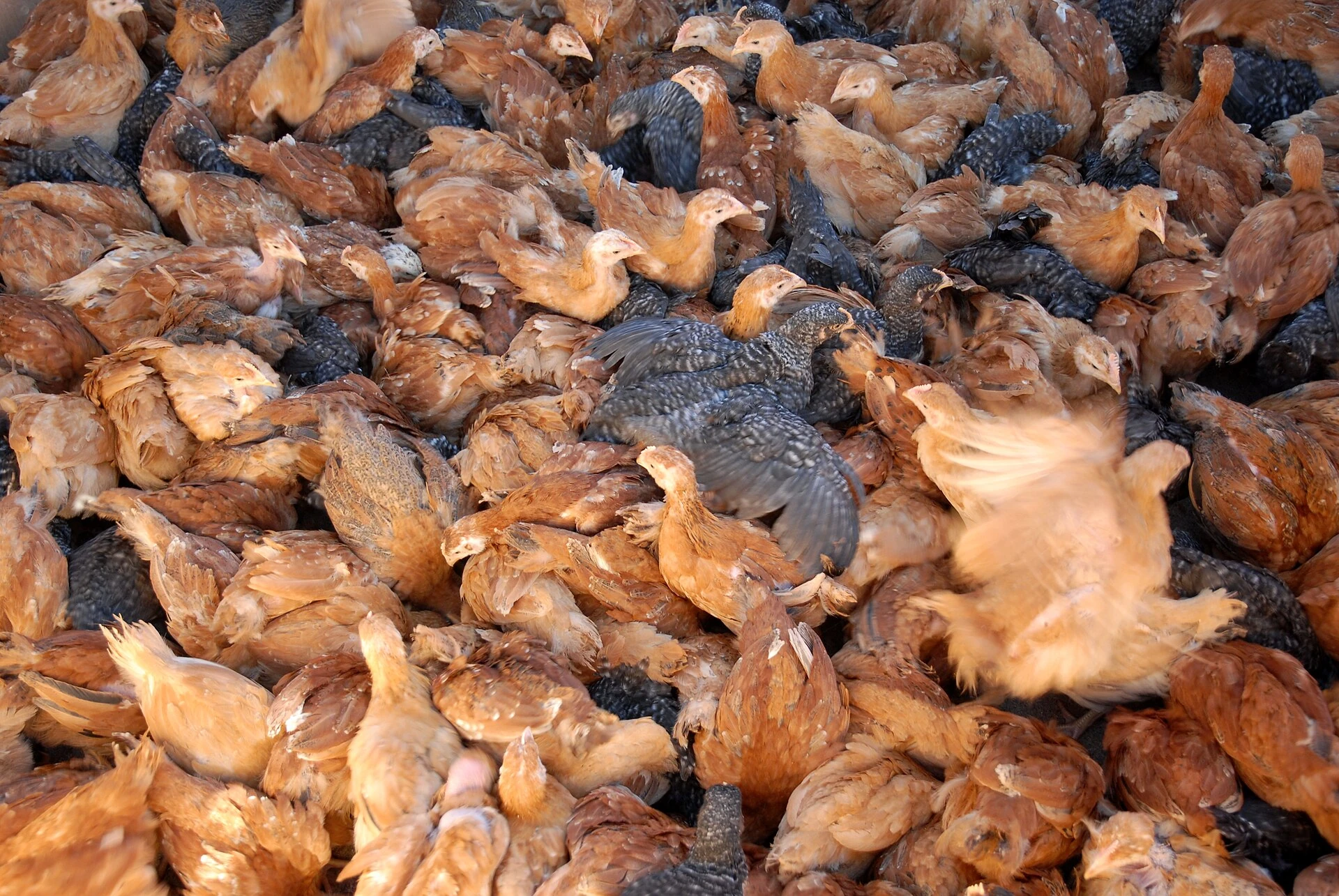
Poultry
Traders sell live hens and chickens, often in wooden or wire cages. Customers pick their bird, which is sometimes prepared on the spot.
Goats' heads
At the butchers' corner, you may see goats' or sheep's heads on display. They are used to make traditional slow-cooked dishes. The sight may be surprising, but it is part of rural cooking.
Vegetables, fruit and spices
The stalls overflow with tomatoes, onions, carrots, oranges and fresh herbs. Spice sellers offer cumin, paprika, ginger and tagine blends. Prices are often lower than in the city.
Tools and everyday goods
The souk also sells farm tools, ropes, baskets, kitchenware and clothes. Blacksmiths and repairers sometimes work right on the spot.
The souk eateries
Under canvas shelters, stalls grill meat and kebabs. You eat elbow to elbow with breeders and traders. Mint tea comes with every break.
A meeting place
The souk is not just a market. People catch up on news, settle business and meet relatives from other villages. It is the heart of social life in the region.
The souk and the mountains
The souk links the plain and the mountains. Families from the high valleys come down to sell walnuts, apples or honey, and go back up with flour, sugar and oil. Lorries and mules then share the roads.
Markets after the earthquake
After the 2023 earthquake, the province's souks played an important role. They allowed people to stock up and return to normal life. Shopping there supports the local economy.
How the souk is organised
The souk fills a large plot on the edge of town. Each kind of goods has its own corner: animals on one side, vegetables on the other, tools and clothes further on. Sellers return to the same spot every week.
Paying and bargaining
Payment is in cash, often in small notes. Ask the price, offer a little less and reach an agreement without rushing. For vegetables and fruit, prices are often fixed and very low.
Visiting the souk respectfully
Arrive early and walk slowly between the stalls. Do not photograph people without their consent. If you buy something, bargain with a smile: haggling is part of the game.
After the souk
Once your shopping is done, take a walk along the river or continue to Moulay Brahim. By late morning, the souk gradually empties.
What to bring home
- A woven basket.
- Spices for tagine.
- Olive oil or honey.
- A small clay dish.
Key points
- A weekly Haouz market.
- Livestock, poultry and vegetables.
- Food stalls and mint tea.
- Come early in the morning.
