
Contents
This article is part of our complete Taounate travel guide.
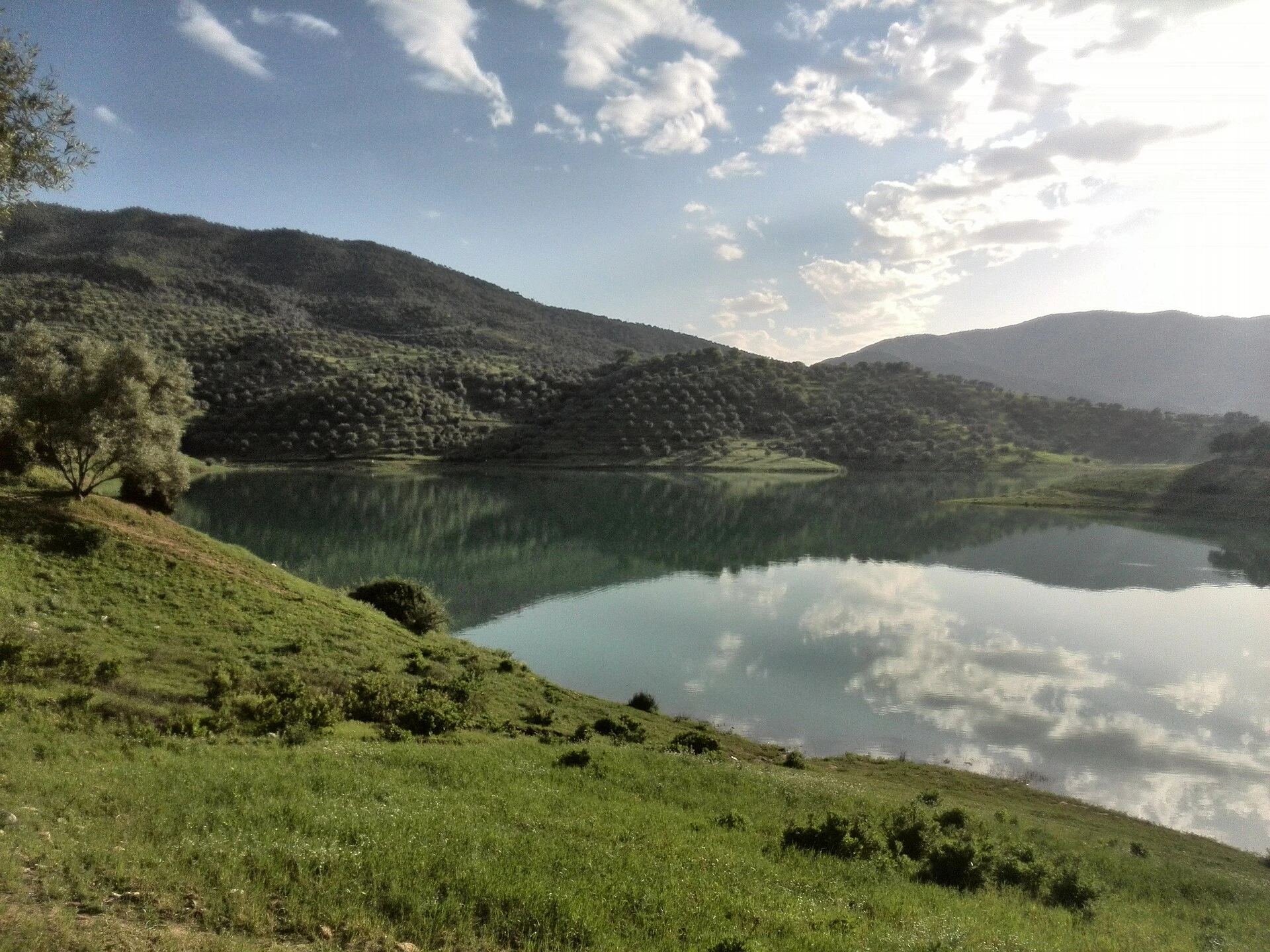
West of Taounate, a large lake stretches between the hills. It was created by the Al Wahda dam on the Ouergha river, one of the most important structures in the country.
This article complements our Taounate travel guide. To plan your visit, see also our Taounate practical information.
The largest dam in Morocco
According to Wikipedia, the Al Wahda dam is the largest in Morocco and the second largest in Africa. It holds back the waters of the Ouergha, a river that comes down from the Rif and crosses Taounate Province.
A name meaning "unity"
In Arabic, "al wahda" means "unity". The name recalls the importance of water for the whole country, far beyond the hills of Taounate.
The Ouergha river
The Ouergha is one of the main rivers of northern Morocco. Together with the Inaouen, it drains a large part of the province. Its winter floods can be strong, which is why controlling them matters.
What a large dam is for
Like most large dams in the country, Al Wahda stores winter rainwater, limits flooding downstream, irrigates farming plains and produces electricity.
A lake among the hills
The lake forms long arms of water between hills covered in olive trees and meadows. In spring, the green grass and the blue water create a very gentle landscape.
A changing landscape
The water level varies with the years and the seasons. After a rainy winter the water rises high on the banks; in dry periods, wide strips of land appear.
Other dams in the province
The province has other reservoirs, such as Sahla, northwest of the town. Seen from the air, these turquoise lakes cut through the relief like ribbons.
Villages by the water
Around the lake, villages live from farming and livestock. Herds come to drink at the water’s edge, and families grow olives and cereals on the slopes.
Birdwatching
The banks attract herons, egrets and ducks, especially in winter and spring. Bring binoculars and approach slowly.
Picnics
Local families come to picnic by the water at weekends. Choose a shady spot and take your rubbish home.
A landscape shaped by water
Before the dam was built, the Ouergha valley was a farming valley. Today the lake has transformed the landscape and the life of the riverside villages, which have adapted to this new geography.
The best light
In the morning, a light mist often hangs over the water. At the end of the day, golden light brings out the shape of the hills. These are the best moments for photos.
Safety by the water
Swimming is dangerous: slippery banks, deep water and changing levels. Watch children closely and keep away from the dam installations.
Tips for your visit
Come in spring or autumn, in the morning or late afternoon. Bring water, a hat and good shoes, as the banks are sometimes muddy.
Key points
- Largest dam in Morocco.
- On the Ouergha river.
- A lake among olive groves.
- Swimming not advised.
