
At a glance
- Plan the day’s key points — On the map, find the entrance you plan to take, the direction displayed at the first fork and exit before your destination.
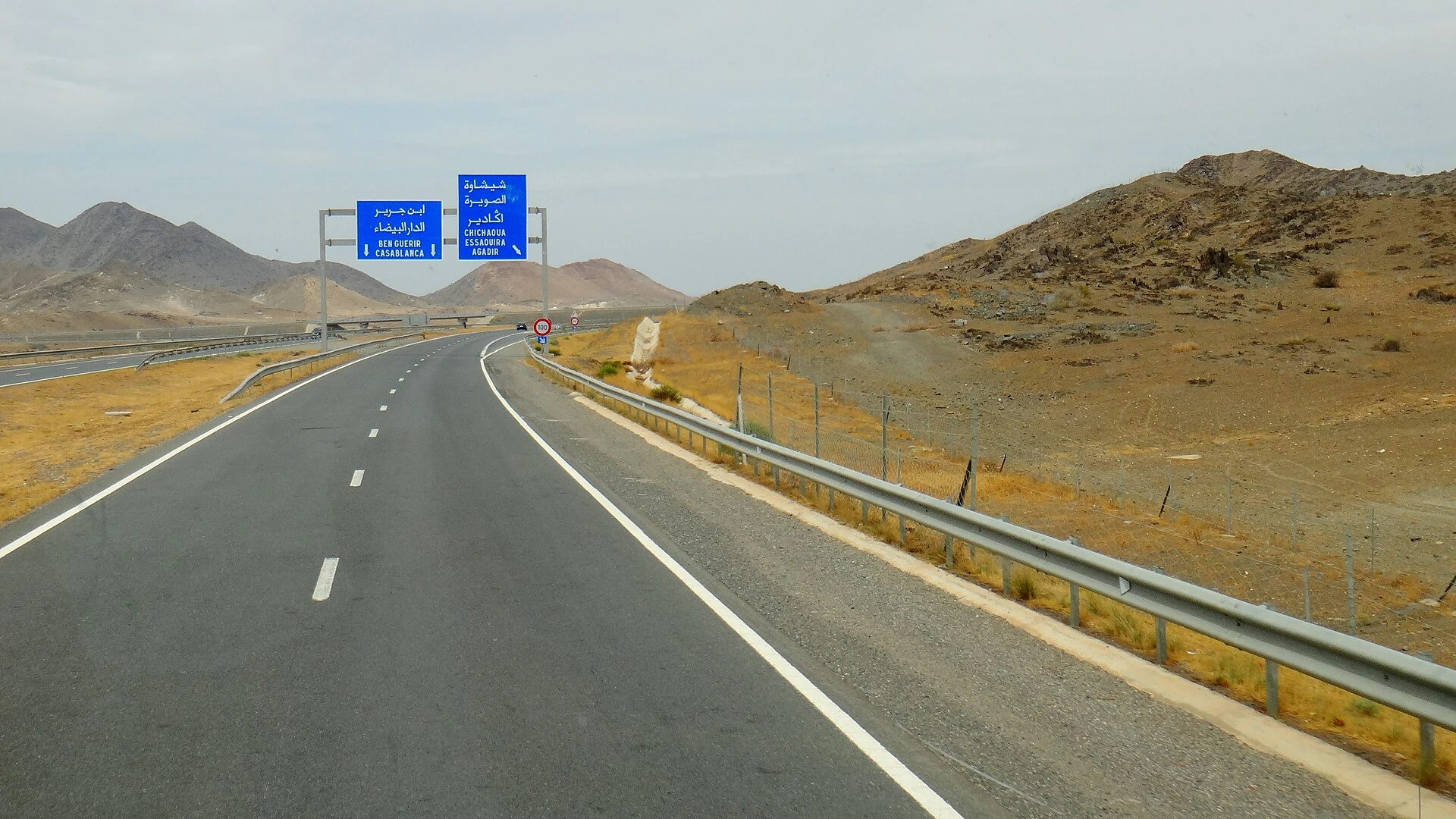
- Read signs and prepare for exits — The names of cities complete the road number.
- Adjust your speed and plan for night driving — ADM recalls a general maximum speed of 120 km/h on motorway.
Contents
Plan the day’s key points
Note the two addresses of your journey and the name of the axis. On the map, find the entrance you plan to take, the direction displayed at the first fork and exit before your destination. Choose an area in the direction of traffic where you will be riding. An area close to the bird may be on the other side of the motorway and require a detour to access it. ADM · Aires de pause
If you are leaving a rental agency, make the adjustments at a stop. Ask for documents and instructions of the assistance related to the contract. Identify the location of the emergency lights and equipment indicated by the landlord. Install your itinerary before starting and check the type of fuel. Once you are on the road, entrust navigation changes to a passenger or stop at a planned location.
Compare the estimated time to the actual course of the day. Count breaks, toll station crossings and access to the final address. A long journey can remain comfortable if the stops are planned from the beginning. In case of delay, move a visit or announce a new arrival range instead of relying on a higher speed to catch up with the program.
If you drive two, decide at which stop you can drive. Check that the driver is authorized by your contract. Prepare a break even if you hope to roll with a milking. Depending on the time and conditions, this marker will give you a simple decision to make. For a driver alone, identify an additional stop where you can rest if necessary.
Read signs and prepare for exits
At a fork, look at the direction and positioning of the tracks early enough. The names of cities complete the road number. Your software can display the end of the journey while the n-sign indicates that the next main direction. Prepare these two markers before leaving. Turn on the flasher and allow other drivers time to understand your change of track.
If you miss an exit, continue to the next place where you can adapt the journey legally. Do not use the reverse or stop on the emergency stopping band to recover a fork. Your passenger can prepare a new route from the next exit. If you are alone, check it during an authorized stop, away from traffic.
In a work area, follow the temporary information even if the map still has the old access. Prepare your position when lanes are reduced or diverted. Respect distances and site signage. When arriving at a toll station, slow down and choose the route that is suitable for you, taking into account staff information.
At a complex intersection, use a short sentence that your passenger can read before the interchange. First give the general direction and then the exit point. When two lines separate, avoiding too late a set-up leaves more time for each. If you are in doubt, continue on the path where you are already engaged and resume the decision at the next safe opportunity.
Adjust your speed and plan for night driving
ADM recalls a general maximum speed of 120 km/h on motorway. Respect a lower limit displayed and adapt your driving to visibility, road condition and traffic. The limit is a ceiling, not a speed to hold to reach an appointment. By slowing down enough before a construction site or toll, you leave time for other drivers to anticipate your behaviour. ADM · Sécurité
At night, plan an arrival compatible with your fatigue. Before departure, note a place where you stop if vigilance drops. Control the weather and information on the road. If you encounter fog or rain that reduces visibility, increase your margin and follow the available instructions. A useful break is better than a rigid program that forces you to continue.
If drowsiness appears, look for a suitable place of break as soon as you can. Do not rely on a change of music or an urgent deadline to remain vigilant. With another licensed driver, exchange roles when the vehicle is stopped in a designated location. If you are alone, rest before deciding if you can continue.
Choose rest stops and services
The ADM page on the areas is used to prepare stops. Check their location in the right direction and the services you need. For a family, toilets and a break space can weigh more than the choice of a restaurant. If you need to refuel or recharge an electric vehicle, confirm the services you are looking for and keep a standstill.
Define what you will do at each break. A stopover can meet only one need, such as checking a hosting message. Another can combine meals, driver change and control of the next route. Give yourself a period of time to leave, taking into account the time required for each. Specify where the car is parked to avoid looking for it when you go out.
Before returning to the highway, check your direction, vehicle range and address of the next stop. If a few kilometers of detour change your plan, first update the probable time of arrival from the area. Send a message only if necessary. You can then go back on the road without having to pay a reservation detail by driving.
Call for help and give your location
ADM indicates 5050 to seek assistance from its network. In the event of an incident, apply the safety instructions and follow the instructions of the appropriate services. Communicate your traffic direction, last past exit and a visible marker if you can read it safely. Also tell if you have an accident, a breakdown, an obstacle or any other difficulty. A specific location helps identify the right segment. ADM · Assistance
For an accident with injury or immediate danger, notify the competent emergency services. Don’t cross the highway. Follow the instructions of stakeholders and avoid actions that would expose other people to traffic. If you can prepare the rental or insurance contract number without leaving a safe place, keep it for the time when it will be requested.
After an intervention, note the time, place and references provided. Check with the renter or your insurance to see how to continue the journey and what expenses are covered. If you are no longer on the ADM network, use contacts that match the road and your contract. The assistance indicated for the toll network does not automatically cover all axes in the country.
Prepare for three common situations
If a line is formed before a toll station, identify the lanes indicated by sign and keep an eye on the overall slowdown. Choose your queue early enough depending on your payment method. If you have any doubts about mixed lanes or a badge, keep the withdrawal payment method available and follow staff instructions. Once you leave the station, reorganize navigation only if a passenger can load it or if you can stop.
If your arrival time changes sharply, first find the next accessible area in your direction. Stop to check the conditions, booking times and vehicle range. Then tell the people who are waiting for you. If the day includes an appointment before the accommodation, ask if its schedule can change. This helps you to adapt the program while keeping the conduct separate from the search for information.
If the weather interferes with visibility before a section, look for official indications on the precise axis. A rain forecast for a city is not enough to explain the condition of all exits. Control the expected evolution and keep time to shift part of the road. If you need to reach a highway from another lane, also take the specific signs on the access road and change your route when indicated.
To transmit a route, give the name of the exit and the place of appointment in two separate lines. The driver thus knows the general direction. The passenger can find the final address once out. With more than one vehicle, agree on an authorized waiting place. If a car takes another exit, it can reach this place without trying to stop along a track.
When recovering a vehicle, ask where the relevant documents are in case of breakdown and what procedure the contract provides for. Determine who to call first and how to receive instructions if you don’t have mobile data. Keep the assistance number and contract reference accessible. These landmarks will be useful on a route that combines national roads, streets and motorways.
Frequently asked questions
Where can I check driving conditions?
Motorways of Morocco publishes traffic information. Consult them for the direction and axis concerned, with the weather conditions of your trip. On-site temporary signs, lane closures and posted instructions remain a priority.
Who should I call for a breakdown on the ADM network?
ADM indicates 5050 for his assistance. Register the number provided by your landlord or insurance company. Prepare the names of exits or other markers on your journey to transmit a workable location if necessary.
