
Key points
- Finding the trail to the waterfalls — Local guides distinguish here the path of waterfalls and the path to the Pont de Dieu.
- Looking around the valley before the first waterfall — In a quiet area, the surface may reflect the slopes.
- Making the first waterfall a stop in its own right — According to local descriptions, some of the visitors are turning around here.
Contents
- Finding the trail to the waterfalls
- Looking around the valley before the first waterfall
- Making the first waterfall a stop in its own right
- Reassessing the hike beyond the first waterfall
- Set a time to turn back
- Visiting the main waterfall at different water levels
- Watching your footing and planning breaks
- Protecting the banks and the trail
- Seeing the valley again on the way back
- Allowing for a change of pace
- Planning a shorter waterfall walk
The hike to the Akchour waterfalls follows the water long enough for the trip to be part of the visit. On leaving, you can decide to reach the first waterfall and take a look at the spot. Keep the main waterfall as a second objective if the conditions and endurance of the group are suitable. This progression allows you to enjoy the surroundings without reserving all day for a single image of the last fall.
Finding the trail to the waterfalls
The dam is used as a landmark at the start of the trails. Local guides distinguish the path of the waterfalls and the path to the Pont de Dieu. Look at the signs or ask for confirmation before leaving the area you are used. On the way, also find the point of return from the road to the dam. You will find the parking lot or the place of appointment more easily if you know which side you have to return to.
Prepare your bag before you borrow the part by the river. Put on the water, the card and the clothing you might need at hand. When several walkers stop at the same time just after the departure, the narrow spaces quickly get in the middle. A last check of the bag near the meeting point then allows you to adopt your rhythm without having to look for everything at the first stop.
Looking around the valley before the first waterfall
At the beginning of the journey, the stream gives an easy to understand direction. It also helps to read the landscape. In a quiet area, the surface can reflect the slopes. As a ressalt or narrow passage approaches, the movement of the water is more distinguished. Look at these changes from stable accesses and choose a location a little away if you want to take the time to photograph them.
The valley becomes more interesting when you look at it on several scales. At your feet, notice the size of the stones and the shape of the banks. Further, look where the vegetation is dense and the rock appears. You can take a photo of each detail, then a view that shows how the elements are assembled. This series reports the hike as a whole, including if the group returns before the main waterfall.
Making the first waterfall a stop in its own right
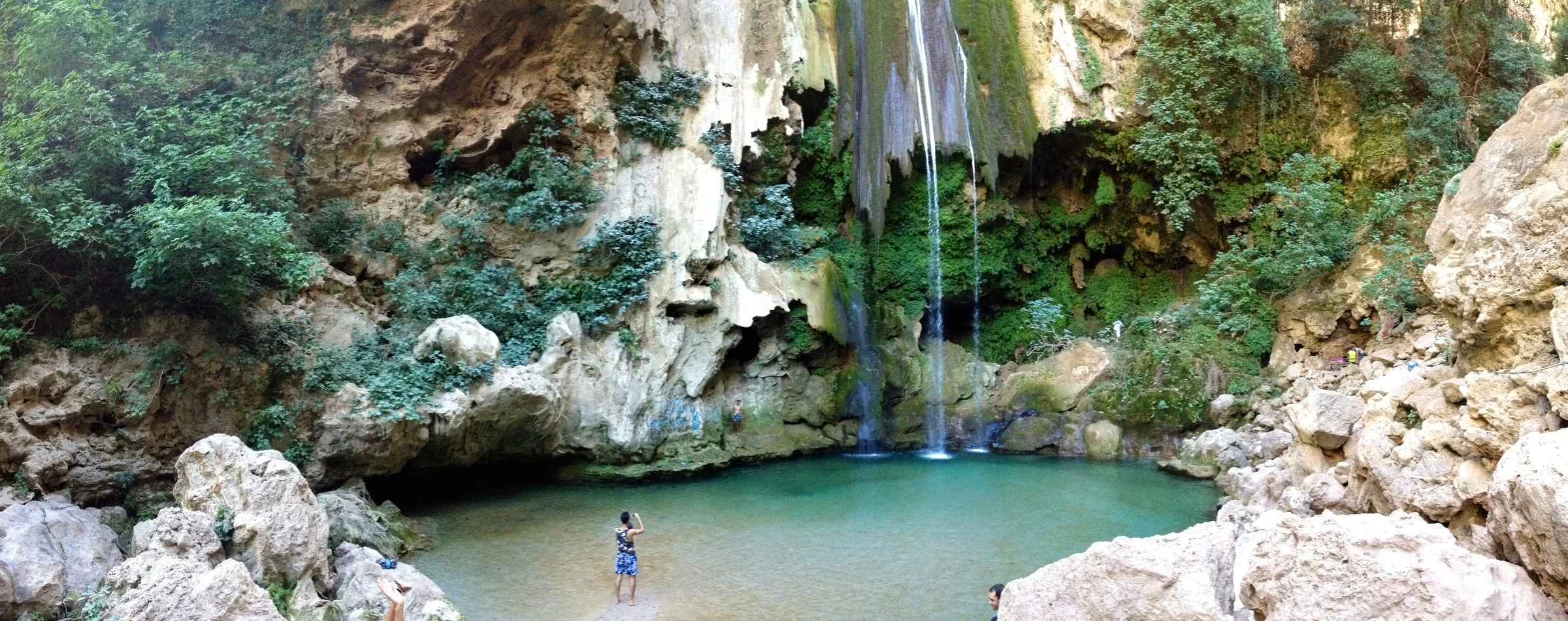
At the first waterfall, take a moment to rest and watch the path you have just walked. According to local descriptions, some of the visitors turn around here. The reasonable distance for your group depends on the terrain, the heat and the pace of walking. If you have made a lot of breaks, compare the actual time with the one you thought you were going to arrive at.
If you want to go back, ask everyone if they eat, drink and feel ready before going on. The next step towards the main waterfall takes time and involves more irregular passages according to the local guide. If you choose to stay, look for a place where you see the fall without blocking the walk and take a real stop time. You can come back looking at the other direction of the valley and find views that you had not noticed when you went.
Reassessing the hike beyond the first waterfall
Ask yourself three questions before extending. How long does it take before the expected return? Is the path that continues to be possible today? Does the whole group still want to walk? If one of the answers remains uncertain, sets an intermediate objective or starts your return. Tenir counts on these three elements avoids finding out too late that the effort or schedule has become difficult to manage.
The upper part of the route can be narrower and less frequented. Stay alert to the indications and places where you can stop by letting others pass. If a route requires to cross by water, check on site if access is convenient. Do not cross a fast current or a passage where you are not sure of your support. In this case, look for a reported variant, ask advice or turn around.
Set a time to turn back
A half-tour schedule takes into account breaks, fatigue and the necessary margin until the transport. Choose it at the start and adapt it in the sense of caution if the first portions take longer than expected. You can tell this schedule to several people in the group. It then becomes a common landmark when the next view seems very close.
To estimate the remaining path, use both your map and your observation. Breaks and the irregularity of the terrain can explain why the return takes more time than expected. Remember which passages have required a special effort. In the areas visited, also counts the time necessary to let the walkers who arrive in the opposite direction pass. This margin allows to return without accelerating as soon as the light falls or as the time of the appointment approaches.
Visiting the main waterfall at different water levels
If you reach the large waterfall, first look at where the water falls and on which parts of the wall it spreads. Depending on the flow, the separation between the nets and the rock is more or less visible. Choose a point where the frame includes enough wall to give the scale. When the water flows in modest quantities, the forms of the rock and the traces left by the passage of the water can become the subject of the visit.
The light sometimes takes a few minutes of attention. A clear surface takes more space in the frame than an area that remains in the shade. If you take a photo, step back to a stable location rather than move forward to find an angle. Near a damp wall or a basin, the surfaces can slide. Before you go back, dry out what you have taken out of the bag and check the direction of the return path.
Watching your footing and planning breaks
A sole that hangs on the rocks and the wet sections of the road. Take the time to check where you are posing the foot before postponing the weight of the body. When the walk becomes narrow, keep a sufficient distance with the person in front of you. You can choose your supports without having to stop in the middle of the passage.
Take the breaks when you need them even if a known point of view is further away. Look for a stable location and leave the passage free. If a person feels tired, proposes a longer break or re-visits the program with it. When the heat is strong, drink regularly and choose shaded places where you stop when they are accessible. Keep a water supply for the second half of the walk.
Protecting the banks and the trail
The corners near the water attract picnics and shots. Plan a pocket where to store the packaging and leftovers until the return. Avoid placing your meal in a passage already used by the walkers. A small hill on a site that is fitted out limits the return journeys between the trail and the banks.
If you see animals, give them time to move around without trying to approach them. Keep the plants and stones in place as well. On a course where people take pictures in nearby places, finding a slightly wider point of view often enough to let others enjoy the same place. When leaving, look around to check that you have not forgotten anything on the shore.
Seeing the valley again on the way back
On the way back, look for a place you had seen to go and stop only if the group has time. From the other direction, a wall fold or a detour of the river can become visible. The light may also have turned and make a different passage. Then take the road to the dam in the foreground and keep a margin to reach the appointment.
When you leave Akchour, note the place that worked best for your group. Depending on your desires, it may be a basin, the first waterfall or the foot of the big fall. This observation is more valid to prepare a second visit than a general ranking of stops. You will know what part you want to find and what portion takes the most time.
Allowing for a change of pace
On a long trip, the starting pace can be misleading. At the beginning of the walk, breaks are often short because the legs are fresh. After several hours, you can take more time to get back. Keep this change in mind when you decide to continue since the first waterfall. If the last waterfall quickly becomes the only topic of conversation, take a break to compare the time expected and the time elapsed. Then you can decide whether the group prefers to reach another point or return with the possibility of making a last stop along the water.
Planning a shorter waterfall walk
A short variant is worth deciding before the walk. Give it a specific objective: to observe the valley from the trail, to reach the first waterfall if the course is suitable or to take a break at a place where you can let the other walkers pass. To anticipate these steps removes the pressure to reach a large waterfall. You can then judge the exit to what you saw on the way and to the comfort of the group.
When you first get to the waterfall, compare the time you have taken to come with the time left before you reach your transport. Don't count on a faster return: a photo break, frequentation or a series of wet passages can change the look. If the rest of the journey remains uncertain, use the time available to look around from the accessible places and return quietly to the departure.
When you prepare the bag, put the water and a snack where you can reach them without going all the way out. Take a bag to get your garbage and pull the phone before approaching a portion where you need to look at your supports. If several people take pictures, click the stops in fairly wide places instead of immobilizing all at the same point.
For a next visit, note where you decided to turn back and why. The water level, the condition of the terrain and the rhythm of the group vary from day to day. A precise observation on these three points is better than an estimate of time that takes only the distance on a map.