
Contents
This article is part of our complete Souk El Arbaa travel guide.
Souk El Arbaa is well connected to the big cities of the north-west. Here are the essentials for planning your visit.
To discover the town, read our Souk El Arbaa travel guide, and for visits, Things to do in Souk El Arbaa.
By road
According to Wikipedia, the town is a crossroads between the roads to Tangier, to Kenitra and Rabat, and to Meknes and Fez. Kenitra is about 87 kilometres away and Rabat about 132 kilometres.
Grands taxis and coaches
Grands taxis and coaches link the town with Kenitra, Ksar El Kebir, Larache and the villages of the Gharb. Departures are frequent during the day.
By train
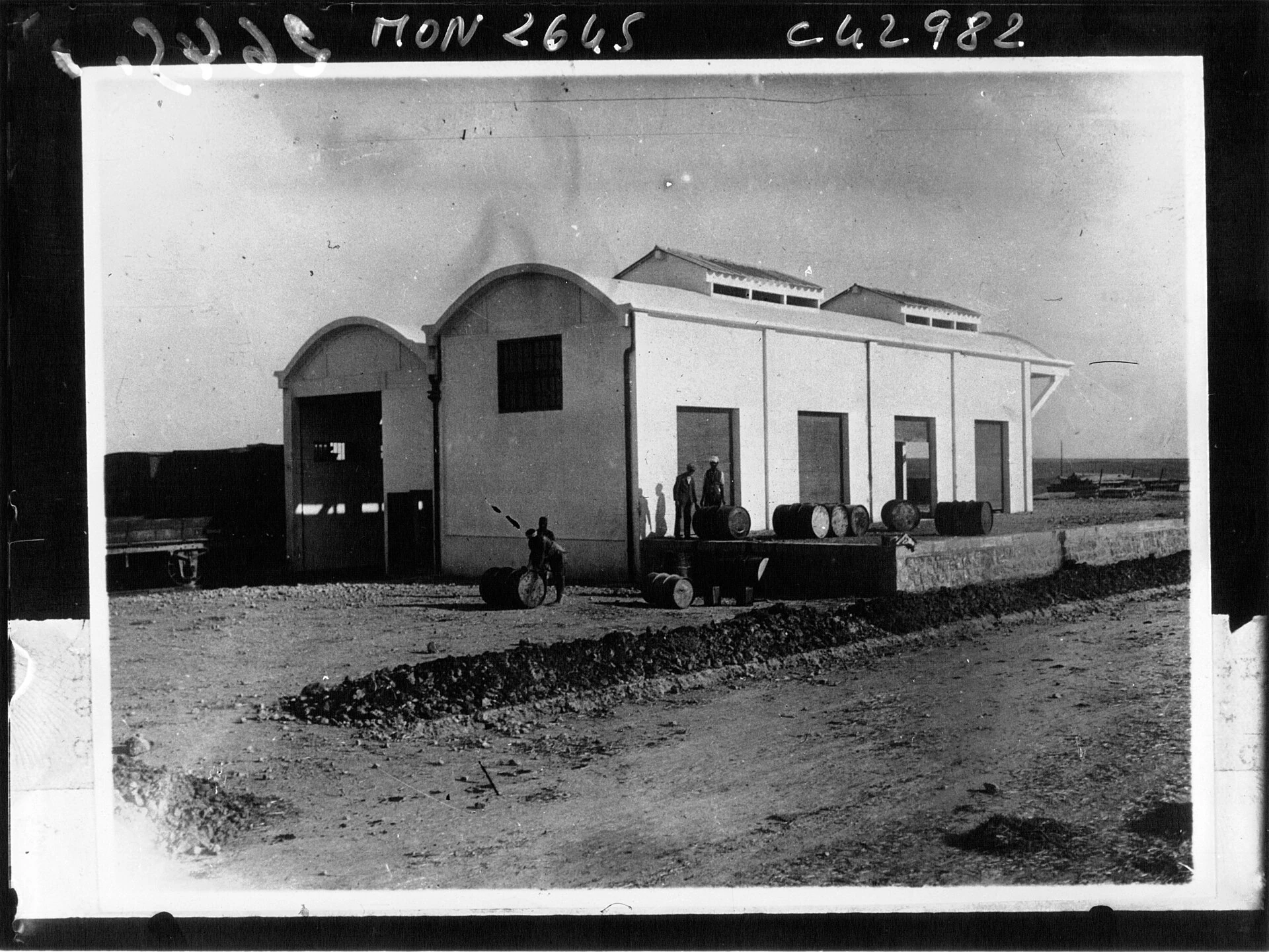
A 1932 photo already shows the town’s goods station. For today’s passenger trains, check stops and timetables on the ONCF website before you set off.
By plane
Rabat-Salé and Tangier airports are the nearest. Then allow a journey by car, coach or taxi.
Getting around town
Petits taxis run through the districts. The centre is easy to explore on foot.
Where to stay
The choice of hotels is modest. For more options, Kenitra and the coast offer more accommodation.
Where to eat
The cafés and small eateries in the centre serve simple, cheap dishes. On souk day, grills are everywhere around the market.
When to go
Spring and autumn are pleasant. According to Wikipedia, rain falls mostly from October to May. Summer is hot on the plain.
Rain and roads
After heavy rain, some roads on the plain can be muddy or flooded. Ask before heading out to the villages.
Money and services
According to Wikipedia, the town has banks, shops and services. Keep change for the souk and taxis.
Health
According to Wikipedia, the town has hospitals. Pharmacies cover everyday needs. For specialist care, Kenitra and Rabat are better equipped.
Safety
The town is busy. Watch your belongings at the souk and in taxis, and take care with traffic at the crossroads.
Dress and customs
Simple, covering clothes are appreciated. At the souk, bargain politely and ask before taking photos.
Languages
Moroccan Arabic is spoken. French, and sometimes Spanish, are understood in shops.
Ramadan
During Ramadan, cafés mostly open in the evening. The souk stays busy in the morning.
Visiting Banasa
The Roman site is in open countryside. Bring a vehicle, water and good shoes, and check visiting conditions beforehand.
Internet and mobile network
The mobile network covers the town well. In the villages of the plain, the signal can be weaker.
With children
The souk is lively and sometimes crowded. Keep children close and bring water in summer.
Souk day
The weekly souk is held on Wednesday, as the town’s name says. Come in the morning for the widest choice, and expect heavier traffic around the market.
Water and heat
In summer, the plain can be very hot. Drink often, wear a hat and avoid walking in the middle of the day.
How long to stay
Half a day is enough for the town and the souk. Allow a full day if you add Banasa or Moulay Bousselham.
Sources and useful information
- Wikipédia · Souk El Arbaa du Gharb
- Wikipedia · Souk El Arbaa
- ONCF · Horaires et billets
- Enfin, voici le premier transport par voie normale, d'huile brute marocaine, provenant de la sonde d'Ainel Hamra - on voit les fûts de pétrole s'aligner dans la gare des marchandises de Souk-el-Arba du Gharb -... - btv1b9052587z.jpg
