
Contents
This article is part of our complete Souk El Arbaa travel guide.
Around Souk El Arbaa stretches the Gharb plain, some of the most fertile land in Morocco. The town grew out of this countryside and still lives to its rhythm.
This article completes our Souk El Arbaa travel guide. To plan your visit, see also our Souk El Arbaa practical information.
The Sebou basin
According to Wikipedia, the town lies in the Sebou basin, the great river that crosses Kenitra province before reaching the Atlantic.
A plain once flooded
According to Wikipedia, the region was once an area of seasonal floods. It was drained to allow farming. Canals and drainage ditches still mark the landscape.
Rain
According to Wikipedia, about 600 millimetres of rain fall each year, mostly from October to May. This water, plentiful by Moroccan standards, explains the richness of the crops.
Citrus fruit
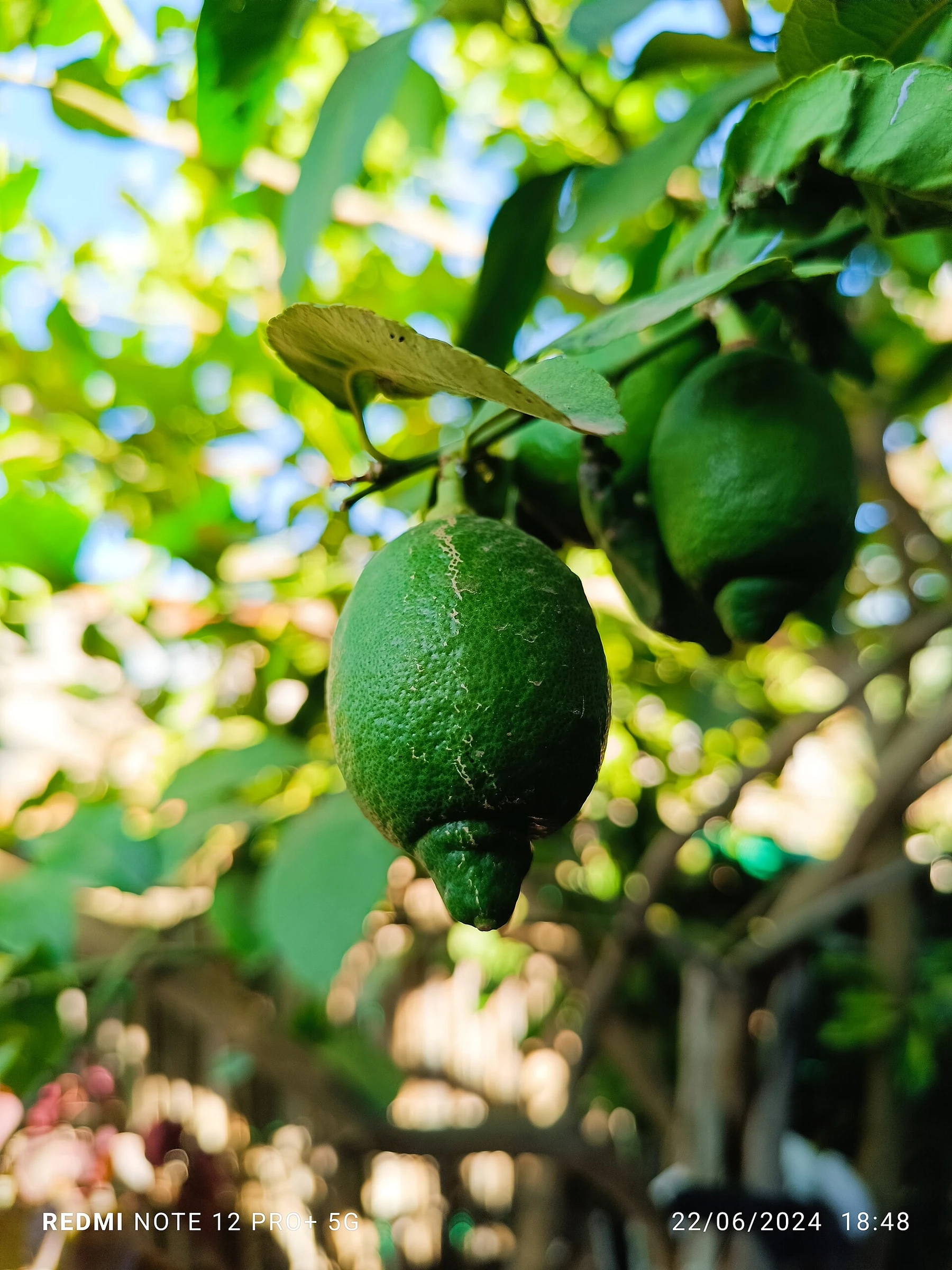
According to Wikipedia, orange orchards made the region’s reputation in the 1950s. A 2024 photo shows a lemon tree laden with green fruit at Oulad Hammad, near the town.
Diverse farming
According to Wikipedia, farming later diversified. Today the plain grows cereals, vegetables, fodder and fruit trees.
The souk, market of the plain
The Wednesday souk gathers the harvests of the countryside. A 1972 photo shows its stalls of olives, fish and bread under corrugated-iron shelters.
The oil of Aïn el Hamra
A 1932 press photo recalls an unexpected episode: the first standard-gauge rail shipment of Moroccan crude oil, from the Aïn el Hamra well, went through the station of Souk-el-Arba du Gharb.
Traces of Rome
According to the English Wikipedia article, the Banasa ruins lie about 13 kilometres to the south-west. The plain was already farmed and inhabited in Antiquity.
The Merja Zerga lagoon
To the west, the plain meets the coast and the lagoon of Moulay Bousselham. An April 2016 photo shows its calm waters, a refuge for many birds.
The douars
Families live in douars, hamlets scattered across the plain. The weekly market is the chance to sell the harvest and buy what the farm lacks.
Livestock
Cows, sheep and goats complement the crops. The plain’s damp meadows make good pasture.
The seasons
Winter is green and wet, spring full of flowers, summer hot and dry. Citrus fruit is mostly harvested in winter.
Touring the plain
Secondary roads let you discover the orchards and fields by car. Drive slowly: tractors and carts share the road.
Eucalyptus trees
Long rows of eucalyptus often line the roads and canals of the plain. They act as windbreaks and provide a little shade.
Water from the Sebou
Besides rain, part of the farmland is irrigated. Canals bring water to the orchards and vegetable plots, especially during the dry summer months.
A landscape of small farms
Alongside larger estates, many families farm small plots. Fields of vegetables, rows of fruit trees and patches of cereals sit side by side.
Tips
- Do not pick fruit from the orchards.
- Stay on the tracks.
- Buy citrus at the souk or by the roadside.
For ideas for visits, read Things to do in Souk El Arbaa.
