
Contents
- The seasons at a glance
- Spring: March, April and May
- Summer: June, July and August
- Autumn: September, October and November
- Winter: December, January and February
- Match the date to what you most want to do
- Three itineraries to adapt
- Before you book
- Adjust the trip when your dates are fixed
- Allow for weather changes within one trip
A week in Marrakech and Merzouga in August takes different planning from a week on the Atlantic coast. The same goes for a winter weekend in Agadir and a hike above Imlil. Start by deciding what you want to do outdoors, how long you want to spend doing it and how much driving you are willing to fit around it. For a first trip combining medinas and desert dunes, spring and autumn are useful starting points. If your dates are fixed, change the route, the time of day or the number of nights at each stop.
The seasons at a glance
- March to May. Look at cities, valleys and desert trips. Ask about trail access before booking a mountain walk.
- June to August. Consider a coastal base for days outdoors. In the interior, put longer walks early or late in the day.
- September to November. Combine cities, the Atlas and dunes if you can allow for driving time and cooler evenings.
- December to February. Compare a city break, an Atlantic stay and a desert night separately. Check the conditions for your actual activities and overnight stops.
Spring: March, April and May
In March, Marrakech or Fez can anchor a trip with walking, monuments and time indoors. Keep mountain plans flexible until you hear how the trail has been affected by recent weather. Conditions at a High Atlas trailhead can differ considerably from the forecast for your hotel. Plan a shorter walk or a town visit as an alternative.
In April, five days let you spend two in Marrakech and choose one outdoor excursion. At Ouzoud, the water and cliff views are the main event. At Imlil, ask about a village walk that matches your group's pace, for example a route towards Aremd. Keep a spare day so you can move the excursion if access or weather changes. Ouzoud falls
In May, weigh the desert stop against the hours you will spend in transit. If sunrise matters, sleep near the dunes and check when the camp can bring you back. Ask how the operator schedules walking and transfers for the hotter part of the day. Confirm the return before fixing an onward flight or an evening reservation. Merzouga
Summer: June, July and August
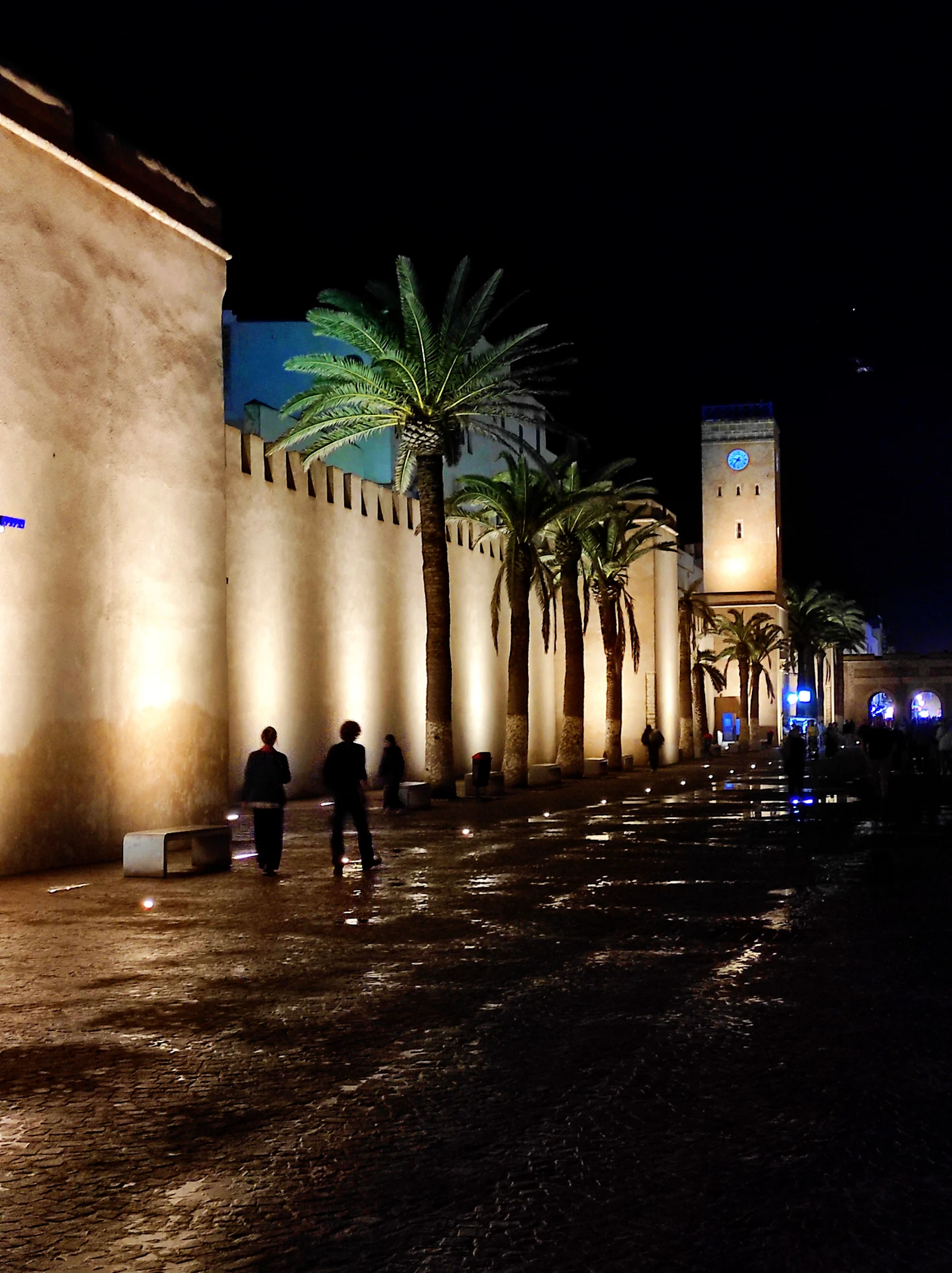
Essaouira works well for ramparts, the port and walks along the ocean. Agadir makes sense if you prefer staying several nights in one place, with the beach, meals and outings arranged from one base. At Taghazout, ask a surf school which beach it uses and how the instructor adapts the session to the swell and the participants' experience. Essaouira · Agadir
Walking beside the sea, swimming and taking a surf lesson call for different decisions. Wind might only affect clothing on a walk, while water conditions and local instructions should determine whether to swim. With children, keep an alternative activity near your accommodation. If you want to see Marrakech or Fez in summer, visit on foot in the morning, keep a substantial midday break and choose accommodation you can easily return to between outings. One city and one coastal base are a useful starting point for a week.
Autumn: September, October and November
In September, keep extended midday walks optional. At Todra, treat the canyon and the palm grove as separate outings. Choose the order after checking the light, heat and time available. If you are coming for climbing or a guided activity, book the appropriate slot separately and confirm the conditions with the operator. Tinghir
In October, a ten-day trip can start in Marrakech, continue through Ouarzazate or Tinghir and leave an entire day for the dunes. Put the camp night where it leaves time for breakfast, the return transfer and luggage collection before the next drive. For Chegaga, have the operator confirm the track itinerary and return point before planning the following leg. Zagora
In November, Marrakech and Essaouira form a manageable two-stop trip. If you prefer the north, compare the transfers between Tangier, Chefchaouen and Fez for your dates. After rain, ask locally whether routes alongside the water in Akchour are suitable. An afternoon in the medina is a practical alternative when the path is unsuitable. Chefchaouen
Winter: December, January and February
For a first winter week, consider two bases among Rabat, Marrakech, Essaouira and Agadir. Plan Rabat by neighbourhood and split a Marrakech medina visit over several half-days if that suits your pace. At the coast, check conditions for the specific activity rather than relying on the temperature alone. A pleasant day for walking can still be unsuitable for swimming. Rabat
For a desert night, confirm bedding and whether extra blankets are available. Temperatures after sunset can be much lower than during the day. Pack a torch and an accessible warm layer if you want to go out again at dawn. In the Atlas, ask local guides which walks are practical on the day. A favourable forecast in Imlil does not establish whether conditions higher on Toubkal are appropriate for an ascent.
Match the date to what you most want to do
For medinas, reserve a museum or a garden slot first, then arrange walking around it. Put more walking early in the day when heat is a concern. Staying somewhere that allows you to interrupt your day for lunch or a rest gives you more freedom than setting a distant series of timed visits.
For desert photography, check where sunrise and sunset can be seen without walking far in darkness. Compare the temperatures at night, the morning transfer and the time you can spend away from the vehicle. A short stay near the dunes takes different planning from several nights on the move.
For a coastal stay, decide how important swimming is before choosing a base. Essaouira can be a rewarding visit for the port and old town even if the wind affects beach plans. If swimming is central to a family trip, ask about accessible areas and decide after checking the local conditions. For surf, look for instruction that can move the session if necessary.
For a mixed coast-and-Atlas trip, check forecasts for both areas a few days before departure. Pack footwear for the terrain and layers for evenings outside. Keep room to move your mountain walk to the day with better conditions, particularly if the activity involves gaining altitude.
Three itineraries to adapt
Five days in April. Use two days for Marrakech, one for Ouzoud or Imlil and one for another city visit. Keep the last day for your departure. If you sleep in Imlil, plan the luggage collection and the transfer back before reserving the rest.
Seven days in August. Base yourself in Agadir and set aside a half-day for Taghazout if you want a surf lesson. Stay flexible about swimming. Place Marrakech at the beginning or end if you include it, so you can avoid retracing the same route.
Ten days in October. Combine two city days, several stops in the Atlas or the south and a full day near the dunes. Reserve the nights you need in transit before filling in tours and walks. Check the final connection back to the city or airport you are leaving from. Morocvia itineraries
Before you book
Check weather and access for every region on the route. Ask the operator about postponements if one activity determines the whole trip. Prepare an alternative within reach of your accommodation. On a multi-stop itinerary, leave some free time for the places you already know you want to enjoy rather than adding another transfer.
Adjust the trip when your dates are fixed
For a March or November departure, keep one day uncommitted if your favourite activity depends on a trail, a road or the weather. Put the visit that has a firm reservation on a separate day. If you are staying in the city, pick out an indoor visit, a meal or a short neighbourhood walk that you can use instead. A flexible day is particularly useful when a mountain guide advises waiting or a riverside route is unsuitable after rain.
When your only option is July or August, consider whether you really need to change hotels every night. On the coast, two or three nights in the same town let you move the beach or surf lesson to a better day. Inland, use a centrally located base so that lunch and a break do not require a long transfer. Compare the daytime forecast and the expected overnight conditions separately if you are moving from a city to a camp.
When comparing two possible weeks, put the first and last transfers on paper. An early outbound flight and a late return can leave you more time for a day outdoors than another set of dates with inconvenient connections. Keep the two days with the most difficult logistics free of time-sensitive activities. For a four- or five-day holiday, choose one region with a reserve day before attempting to cross the country.
Allow for weather changes within one trip
If you travel from the coast into the mountains and then towards the dunes, check a separate forecast for each overnight stop. Look at the hour when you expect to be outdoors and the time when you have to travel. A sunny afternoon in your first city tells you little about the following morning at a higher elevation. Keep the warm layer you need during the transfer in a small bag instead of packing it under everything else.
Decide what to move if the forecast changes. In a city, swap an open-air visit for an indoor one. For a guided walk or camp transfer, ask when the provider makes the final decision. Book a cancellable room or leave one night flexible if that decision can affect the next leg. You can keep the part of the trip you care about most and still have a realistic plan for the rest of the week.