
At a glance
- Recognise three different kinds of main dish — A tagine takes its name from the vessel in which food can slowly cook.
- Use regional associations as starting points — Marrakech is a useful place to learn about tanjia, while Fes provides a setting for exploring pastilla.
- Leave room for breakfast and pastries — Msemen introduces folded, layered dough, while baghrir has a surface full of small holes.
Contents
Recognise three different kinds of main dish
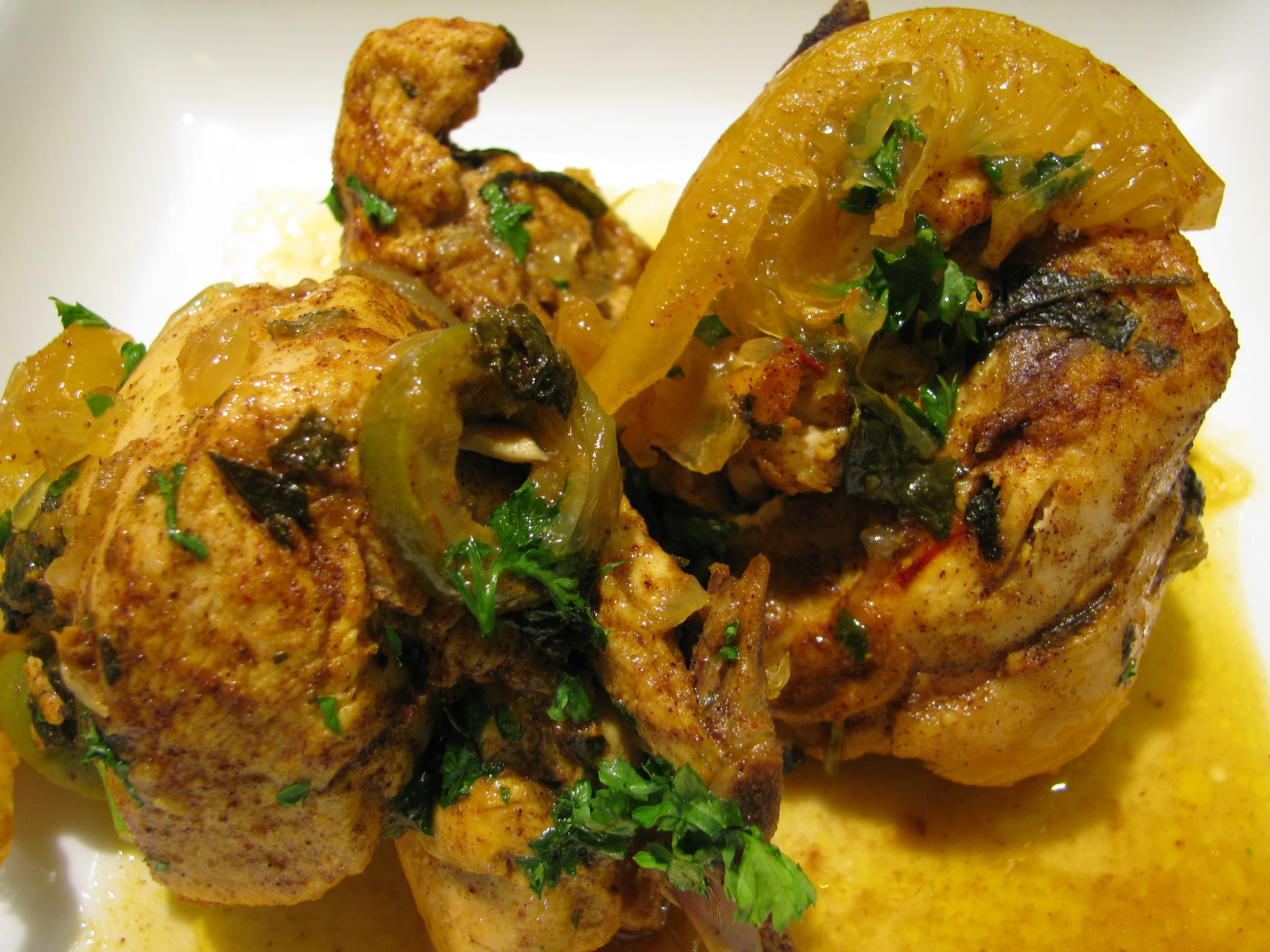
A tagine takes its name from the vessel in which food can slowly cook. Chicken with preserved lemon, meat with dried fruit and vegetable versions create very different meals. Couscous centres on prepared, steamed grains served with broth and a topping. Marrakech’s tanjia, cooked in an earthenware jar, follows another slow-cooking tradition. Trying these dishes at separate meals makes their textures easier to appreciate than ordering several large dishes together.
Pastilla uses a thin pastry wrapper around a filling. Poultry and almond versions may combine sweet and savoury flavours, while seafood fillings offer a different result. Rfissa brings pieces of bread or flatbread together with broth, commonly chicken and lentils. Ask what goes into the version being served rather than expecting every kitchen to follow the same formula.
Use regional associations as starting points
Marrakech is a useful place to learn about tanjia, while Fes provides a setting for exploring pastilla. Coastal towns bring fish and seafood into the picture. These associations can shape a food itinerary, but they are not culinary borders. Recipes travel with families, cooks and businesses, and a dish can be meaningful well beyond the city most often linked with its name.
At a market or a restaurant, separate the place where food is cooked, the origin of its ingredients and the tradition the cook is presenting. Dates sold in a major city need not have grown nearby. A regional description on a menu also does not establish the origin of every product in the dish.
Leave room for breakfast and pastries
Msemen introduces folded, layered dough, while baghrir has a surface full of small holes. Bread, eggs, olives, honey or oil can round out breakfast, depending on what is available. Compare the toppings and preparation rather than assuming that a large set breakfast is the only traditional option. A smaller meal can leave more appetite for a dish you want to try at lunch.
Pastries are another discovery best made in small portions. Gazelle horns usually have an almond filling; other sweets may contain nuts, sesame, honey or dairy products. Anyone with an allergy should ask about ingredients and preparation. A familiar pastry name is not a reliable guarantee that two shops use the same recipe or handle allergens in the same way.
Build variety into several days of eating
Choose one main speciality per meal and allow space for its accompaniments. After a generous lunch, a simpler supper can be more enjoyable than another tasting marathon. For fish, ask about the catch available and how the price is calculated before choosing a portion. With a long-cooked dish, check whether it is ready to order or needs an advance request.
| What you want | A useful direction | What to ask |
|---|---|---|
| Grains and broth | Couscous | Which topping and broth? |
| Slow cooking | Tagine or tanjia | Individual portion or shared dish? |
| Crisp pastry | Pastilla | Which filling and allergens? |
| A sweet pause | Pastries and tea | Added sugar and ingredients? |
Ask questions that help the next meal
Learn the local name and note what you enjoyed: a texture, an aromatic spice, preserved lemon or a particular bread. This gives you a better starting point for another discovery than automatically ordering the same thing everywhere. City restaurant guides help with the setting; individual food guides explain the dishes. Neither a fixed price nor daily availability can be inferred from this selection.
Frequently asked questions
Is couscous exclusively Moroccan?
No. Couscous traditions are shared across several Maghreb countries, with local practices and variations.
Is a vegetable dish necessarily vegetarian?
No. Ask whether the broth, sauce or cooking fat contains animal products.
