
Contents
Torn between Marrakech, the Ouzoud waterfalls and the dunes at Merzouga? Start with the landscape you most want to see, then map the time you have between arrival and departure. With five days, Marrakech and Essaouira pair a lively medina with the Atlantic. A week gives you time to see northern Morocco, from Tangier to Fez via Chefchaouen. With ten days, you can cross the Atlas and spend a night near the dunes. If your flights fall at awkward hours, allow yourself a shorter first or last day.
Which Moroccan cities should you visit first?
1. Marrakech for souks and palaces
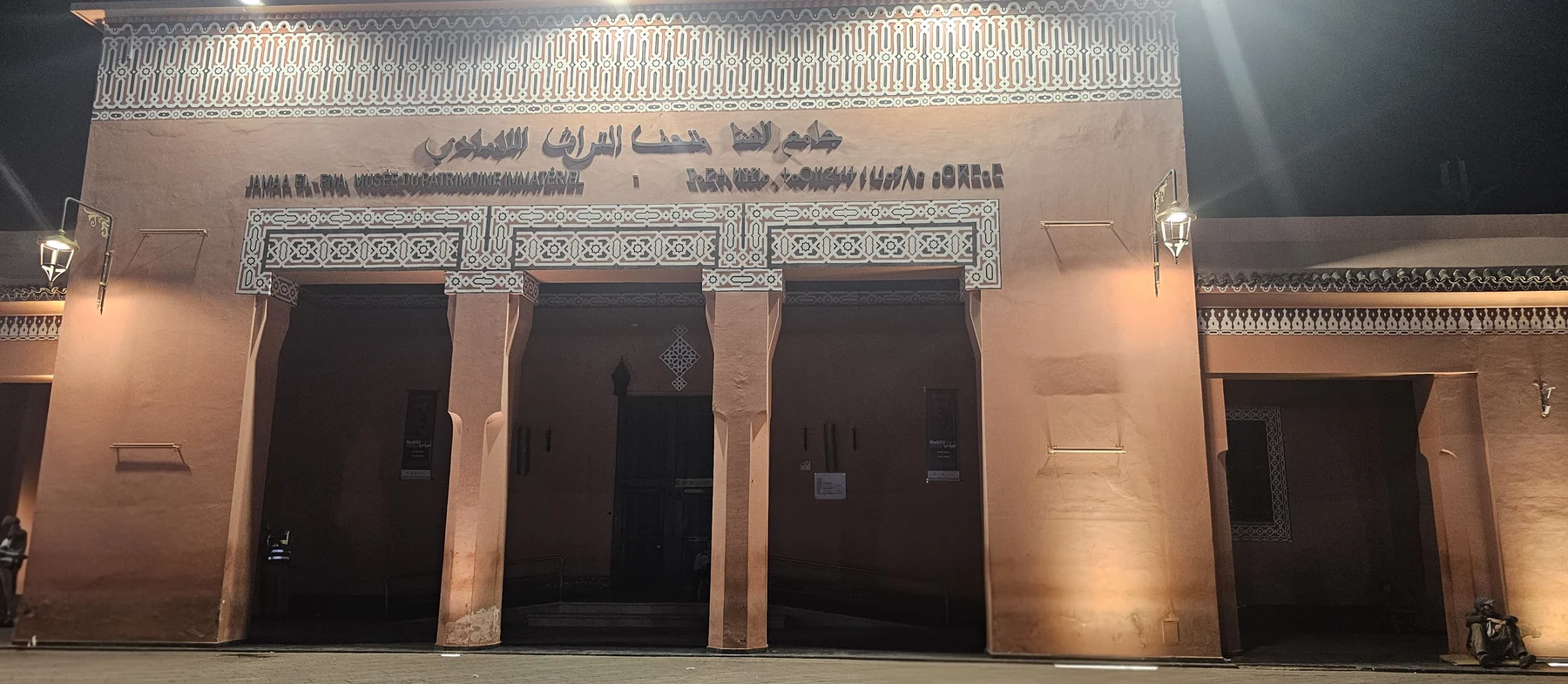
Start at Jemaa el-Fna and save part of the day for the souks and Bahia Palace. The square takes on a different character in the evening, when performers and food stalls change the pace. If you also want to see the Majorelle Garden, give it a separate slot and check its current admission arrangements. An accommodation pin and the nearest taxi drop-off make a useful pair to keep on your phone. Marrakech guide
2. Fez for the heritage of the medina
Give the medina a full day. Its fountains, religious schools and former merchant lodgings help explain how the old city worked. Pick a few stops within walking distance and leave time to explore the lanes. A local guide can explain what the buildings were used for and help you find your way between them. Mark an easy meeting point if your group wants to split up for lunch. Fez guide
3. Rabat for history and the waterfront
Begin at the Kasbah of the Udayas and continue to Hassan Tower. Stay overnight if you want time to explore the medina at your own pace. Rabat’s World Heritage listing covers historic districts and parts of the modern city, so organising visits by neighbourhood makes sense. It is a convenient choice if your next leg is by rail. Check which station your train leaves from before picking a place to stay. Rabat guide
4. Tangier as a starting point for the north
Walk through the medina up to the kasbah, then spend some time along the waterfront. With another half day, you can explore more of the city or head to Cape Spartel. If Tétouan or Chefchaouen comes next, fix that transfer before booking a day trip. Travellers arriving by ferry should check the terminal printed on their ticket before allowing time to reach the accommodation. Tangier guide
5. Chefchaouen for the lanes of the Rif
Spend a night in Chefchaouen to see the blue lanes in the quiet of the morning and again later in the day. Start near Outa el-Hammam square, then work your way up through the medina. Give Akchour a slot of its own if you want to see the valley. A walk along the river calls for a different pace and footwear from a stroll around town. Chefchaouen guide
6. Tétouan for another northern medina
Allow half a day or a night for Tétouan on a route between Tangier and the Rif. Start in the World Heritage-listed medina and continue into the newer districts to see how street layouts and architecture change. If time is short, build the stop around a walk and a meal. With luggage, settle where to leave it before starting your visit. Tétouan guide
Where to go on Morocco’s Atlantic coast
7. Essaouira for ramparts and the harbour
Join the medina, ramparts and harbour in one outing. At the harbour, leave yourself time to watch the boats, then head back into the medina for lunch or a gallery visit. On a windy afternoon, a short walk by the water may be enough. If you are spending the night, use the following morning for whichever side of the town you had less time for. Essaouira guide
8. Agadir and Taghazout for time by the ocean
Choose Agadir if you want several nights in one place and a mix of beach time, walks and outings. Taghazout works well if surfing is a priority. When booking your first lesson, ask how the school chooses a beach for the swell and the group’s ability. Check conditions locally before going into the water. Look up the walk from your accommodation to the section of coast you plan to use. Agadir guide
What to see between the Atlas and the Sahara
9. Ouzoud for waterfalls at two levels
Start at the upper viewpoints to see where the water breaks over the cliff. If the path is open and your group is comfortable with steps, descend to a lower viewpoint or the foot of the falls. Include the climb back up in the time you agree with your driver. With mixed walking abilities, choose a meeting point everyone can get to independently. Ouzoud and Azilal
10. Imlil for a walk in the High Atlas
Ask in Imlil about walking towards Aremd to see villages and terraced fields. Find out where the climb begins before choosing how long to walk. Give a Toubkal summit attempt its own plan, with a qualified local guide and confirmation of mountain weather, the route and access to the refuge. A shorter village walk can be the main outing if you only have a day in the valley. Marrakech and the High Atlas
11. Akchour for a river walk in the Rif
At Akchour, decide between the waterfall valley and the route towards the Bridge of God. On a family trip, make the first waterfall a possible turning point and see how the group feels when you get there. After rain, ask which sections are passable. Agree on your return transport before setting out, especially if you are relying on a driver to collect you. Chefchaouen and the Rif
12. The Todra Gorge for a walk beneath cliffs
Near Tinghir, look for a walkable stretch of the canyon floor and pause where you can see how the walls narrow. If you are sleeping nearby, save a second outing for the palm grove. For climbing or via ferrata, ask the operator to describe the route, expected experience and equipment supplied. Leave enough room in the schedule to choose your walk when you arrive. Tinghir and the Todra Gorge
13. Merzouga for the dunes of Erg Chebbi
Stay in the village and walk near the dunes in the late afternoon, or book a night at a desert camp. In either case, ask where the viewpoint is and how you will return as the light fades. For a camp, ask for a price that specifies return transport, meals and bedding. Confirm the morning drop-off point if another driver is meeting you there. Merzouga guide
14. M’Hamid and Chegaga for a night beyond the tracks
Tracks lead to Erg Chegaga beyond the inhabited part of the Drâa Valley. For a first visit, arrange a four-wheel-drive transfer with someone who knows the terrain and ask how much of the day is spent on the tracks. If coming from Zagora, consider a night in M’Hamid before heading out. Agree on your return time before making another booking for that same day. Zagora and the Drâa Valley
15. Tafraout for granite and the Ammeln Valley
Set aside one outing for Jean Verame’s painted rocks and another for the Ammeln Valley. Step back to see how the colour fits the landscape before looking closely at individual boulders. In the valley, ask for a public path with a view of the villages and the slopes of Jbel El Kest. Check transport separately for the two outings if you are staying without a car. Tafraout guide
How many days do you need in Morocco?
5 days: Marrakech and Essaouira. Spend two days in Marrakech and use the third to get to Essaouira. Keep the fourth for the medina, harbour and ramparts. If you fly from Marrakech, reserve the fifth for getting back and check whether your flight time calls for returning the previous evening. For mountains instead of coast, use Imlil as the second stop and keep the same buffer.
7 days: Tangier, Chefchaouen and Fez. Start with two days in Tangier, with Tétouan as a possible outing. Use days three and four to reach Chefchaouen and explore its medina. Give the last three days to Fez, including the transfer and departure. If you want to go to Akchour, visit Chefchaouen on arrival and give the valley the following day. Check the longest connection before fixing hotel dates.
10 days: Marrakech, Atlas and desert. Give Marrakech two days, then plan stops around Aït Ben Haddou, Ouarzazate and Tinghir on the way to Merzouga. Set aside a full day for the dunes and divide up the return according to your departure airport. Place the transit nights and your flight on the calendar first. Sleep closer to the airport the night before an early flight.
How to match the trip to your interests
Pick a base and one outing if you prefer fewer hotel changes. Marrakech suits a mix of souks, palaces and a High Atlas visit. Rabat combines heritage with walks by the water and onward rail connections. Essaouira suits travellers who want a harbour and a medina within an easy walk of their accommodation. Compare your door-to-door transfers before drawing the route.
With children, plan a main outing in the morning and leave the afternoon open. You can spend several nights near the coast in Agadir or split Marrakech’s medina across two shorter outings. If you choose a camp, ask how long the transfer takes, where everyone sleeps and what the bathroom facilities are like. Those answers help you decide which night to put next to the longest drive.
On a ten-day circuit, the drive to Erg Chebbi uses a substantial piece of the holiday. Set the dune night and the final departure before arranging the stops in between. If your priority is two days on foot in the Atlas, shorten the circuit so there is still a full day for the dunes if you keep Merzouga on the route.
When to go and how to get around
Spring and autumn are sensible starting points for a route that combines inland cities and the desert. In summer, schedule longer walks away from the hottest hours and consider an Atlantic base. In winter, check city forecasts, desert night temperatures and conditions at altitude separately. Plan a lower-altitude option for any day whose main outing depends on mountain weather.
Start with the railway for journeys linking Tangier, Rabat or Casablanca. For villages in the mountains or a route with multiple stops in the south, compare coaches operating on your dates with a car or driver. Pin the actual station or stop and the entrance to your accommodation. If two services have to connect, leave time for collecting luggage and getting between stops.
What to check before booking
- Choose the landscape or activity that matters most and book the nights that give you enough time for it.
- Count transfers as part of the trip and keep the departure day flexible, especially with an early flight or a journey from another town.
- Check opening times, access and outdoor conditions with the host, venue or guide before you commit to a departure time.